The Appeal of Vintage Travel: What Model Trains and Classic Beach Resorts Have in Common
Vintage travel and vintage model railroading share a common attraction: both preserve a version of the past that feels deliberate. A classic beach resort, with its pavilions and painted signage, has much in common with a well-built miniature scene from an earlier era. Both reward attention to shape, color and the small details that suggest a particular time.
This article looks at the common ground between the two, from the architecture of mid-century seaside towns to the way collectors gather vintage items as travel keepsakes. It also offers practical ideas for a retro seaside scene at home, using reference images and archived catalogs rather than copying anyone's trademarked designs. For background on the company whose archived range shaped many of these references, see the about page.
Mid-Century Travel and the Railway Era
For much of the twentieth century, rail travel was the main way many families reached the coast. Stations, timetables and railway posters shaped how people imagined a holiday. Those associations still appeal today, and they explain why railway-themed model scenes often include seaside stations and trains bound for the shore.
The visual language of that period is distinctive. Simple geometry, bold lettering and pastel or primary color schemes appear on station signs, bathing huts and hotel fronts. A model builder who studies those details can produce a scene that reads as a particular decade without needing any extra explanation.
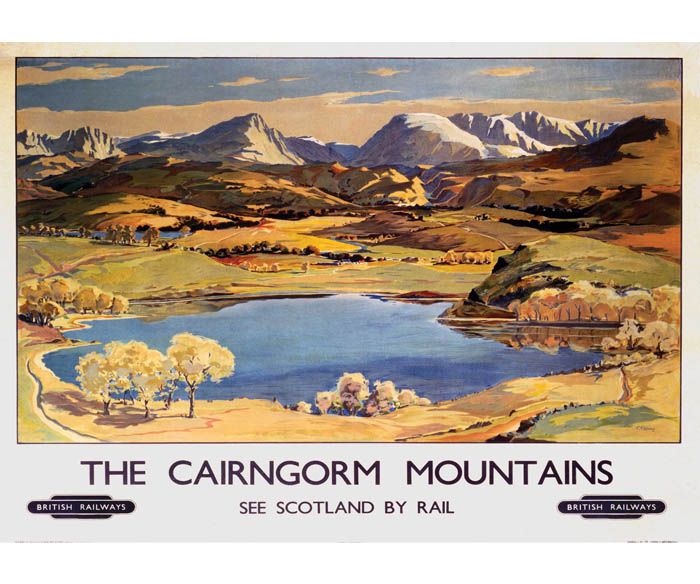
Travel habits from that era also shaped the scenes themselves. Platforms were busy with luggage, and resort towns were built around the arrival of trains. Those patterns give a builder natural reasons to place people, bags and vehicles in a scene. Small details such as a ticket rack or a luggage label can carry a scene without a single extra building. Many families traveled by train for seaside holidays, and those timetables and posters still look charming when they are scaled down.
Classic Resort Architecture Reads Like a Scale Model
Classic beach resorts were often designed around a clear set of forms: a central pavilion, a promenade with railings, a row of cabins or hotel rooms and a pier or jetty. Those forms are easy to read at a distance, which is one reason they translate so well into miniature. A scene built around a few strong shapes tends to look more convincing than one with many small, unrelated pieces.
Signage and lighting carry much of the mood. Hand-painted boards, neon accents and curved canopies all signal a specific era, and they give a builder a set of details to choose from. Start with one or two features and build the rest of the scene around them.
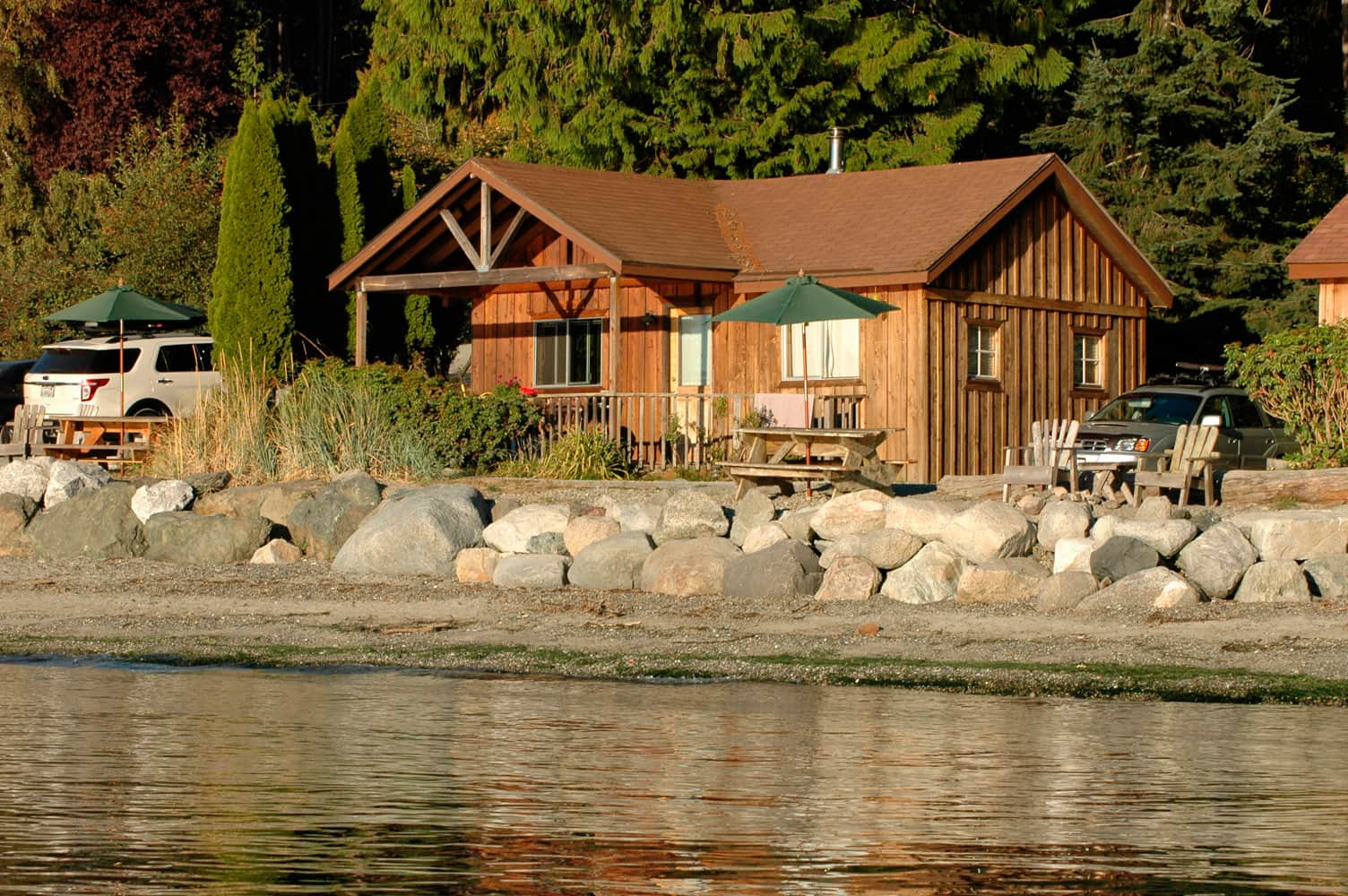
Proportion is the key to making these forms feel right. A pavilion that is too tall for the surrounding cabins or a pier that stops short of the water will break the illusion immediately, so check the relationships before committing to glue. Keep the roof colors consistent across the buildings, since a mismatch is one of the first things a viewer notices. Use paper templates to test the layout first, before any glue goes down.
Collecting Vintage Items as Travel Keepsakes
Many travelers bring home a small object that reminds them of a place, and vintage items are a natural extension of that habit. A postcard, a ticket stub or a small pressed item from a seaside town can sit beside a model on a shelf and tell a story about the trip. Collectors often value these souvenirs for the memories they hold as much as for any resale value.
Look for keepsakes that are genuinely old and documented, and be careful with items sold as antique when they show signs of recent production. Ask the seller where the item came from, and keep any paperwork that describes it. A small, well-chosen keepsake is usually more satisfying than a large pile of unrelated objects.
Store keepsakes away from direct sunlight and humidity. Paper fades and warps quickly, and a keepsake that survives the decades is worth more to you than one that looks bright for a week after purchase. A small display case or an enclosed shelf keeps paper and metal items clean and dry. Label each keepsake with the place and year you acquired it, if you know them.
Restored Places Versus Preserved Places
Some classic resorts have been restored with care, while others have been preserved in a partly original state, with faded paint and worn benches. Both approaches have value for a traveler and for a builder. A restored building shows how an era looked at its best, and a preserved one shows how time changes materials.
Model scenes can reflect either choice. A clean, freshly painted pavilion suggests a sunny opening season, while a weathered promenade with peeling paint suggests a place with a longer history. Decide which story you want to tell before you start weathering, since heavy effects are hard to undo.
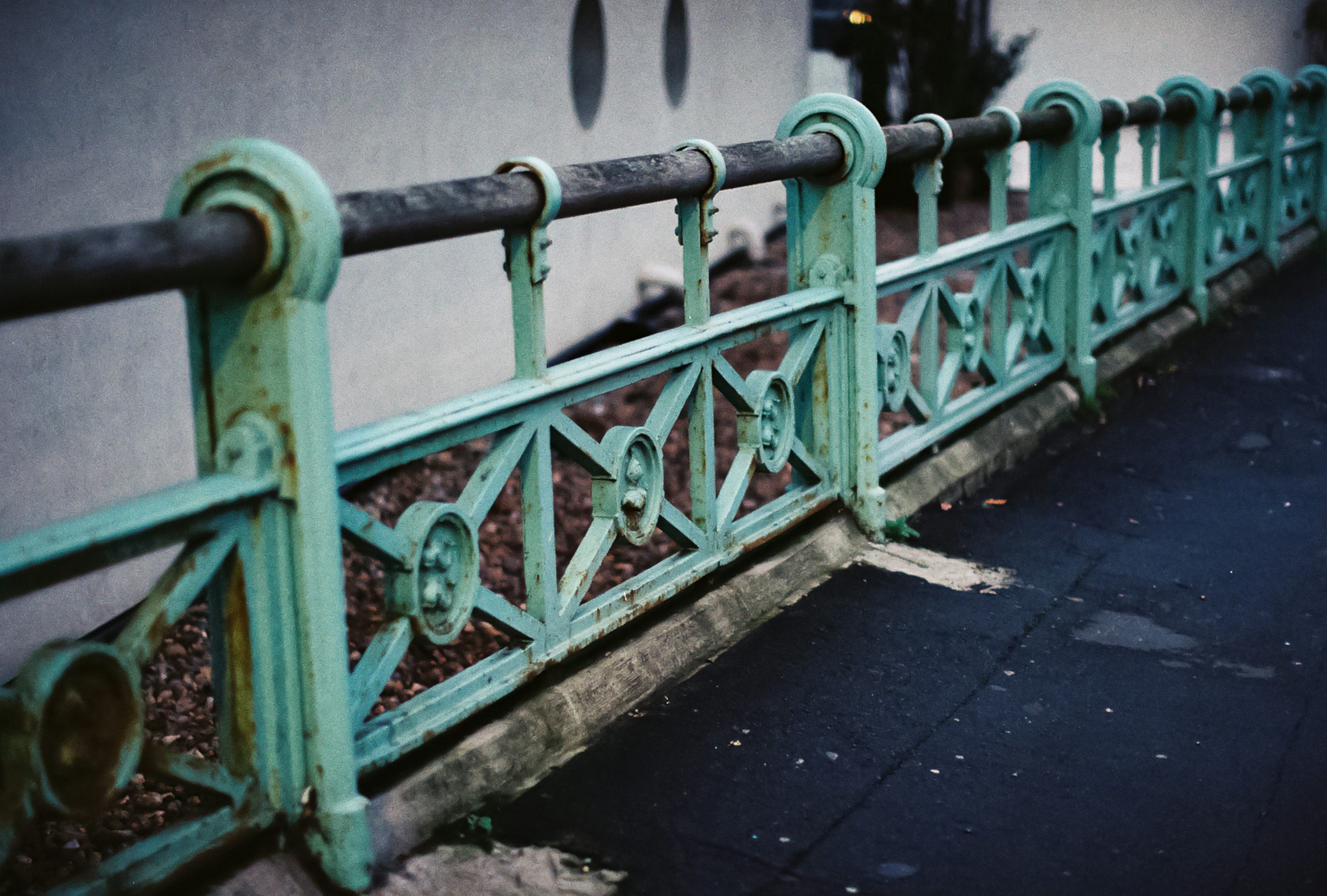
Visiting both kinds of place, if you can, gives a builder a wider sense of the range. Notice how the paint wears at the edges, where water stains collect and which materials age gracefully. Weathering works best when it follows a logic. Water marks sit below gutters, paint lifts most on edges that get handled, and salt collects on the lower corners of walls facing the sea. A few clean surfaces beside the worn ones make the contrast read clearly.
Building a Retro Seaside Scene at Home
Start with a single location and a clear date range. Collect reference photographs and catalog images from the period, and note the colors, signs and vehicles that appear most often. The archived Press Room pages from the company's active years show how products and displays were presented in earlier times, and they make a useful reference for a retro scene. Test your colors under the lamp you plan to use, because a palette that looks warm in daylight can turn flat under electric light. Keep the notes from your reference images with the scene plan, so period details can be checked later.
Keep the scene honest about its era. Mix in a few details that suit the period, and avoid modern signs or vehicles unless they fit your story. The category index groups items by type, which helps when you are choosing structures and figures that belong together.
A consistent scene, even a small one, usually does more for the viewer than a large display that mixes several decades. Give yourself permission to leave some areas empty, because space is part of the period feel.
Frequently Asked Questions
What makes a seaside scene look vintage?
Consistent color palettes, era-appropriate signs and vehicles, and weathering that matches the period all help. Avoid modern details unless they fit your story. A few well-chosen features usually work better than many small ones.
How do I check whether a vintage keepsake is genuine?
Ask the seller about provenance, examine materials and printing for signs of modern production and compare the piece with documented examples. Be wary of items sold as antiques without any supporting details.
Are classic beach resorts still open to visitors?
Many have been restored or adapted, and some continue to operate as hotels or attractions. Check the current status of any specific property before planning a visit.
Can a retro seaside scene fit on a small shelf?
Yes. A compact scene with one building, a short piece of promenade and a few figures can capture the mood. Keep the composition simple and let the details carry the era.