Collecting on Vacation: Finding Diecast and Model Shops Near Beach Destinations
Model shops and collectibles stores often cluster in busy towns, and beach destinations sometimes have a surprising number of them. A diecast collector on holiday can find a useful stop or two by planning ahead, though the search takes more work than it first appears. This guide covers how to look for shops, how to judge what you find and how to bring purchases home.
One honest note before you start. Model Power, whose catalog is still archived online through the about page and the product index, stopped trading as an independent company in 2014. Its own website is a historical reference and is not a place to buy today. This article is about finding other shops, and the store details in it are general, so verify any shop before you visit.
Why Shops Cluster Where Visitors Gather
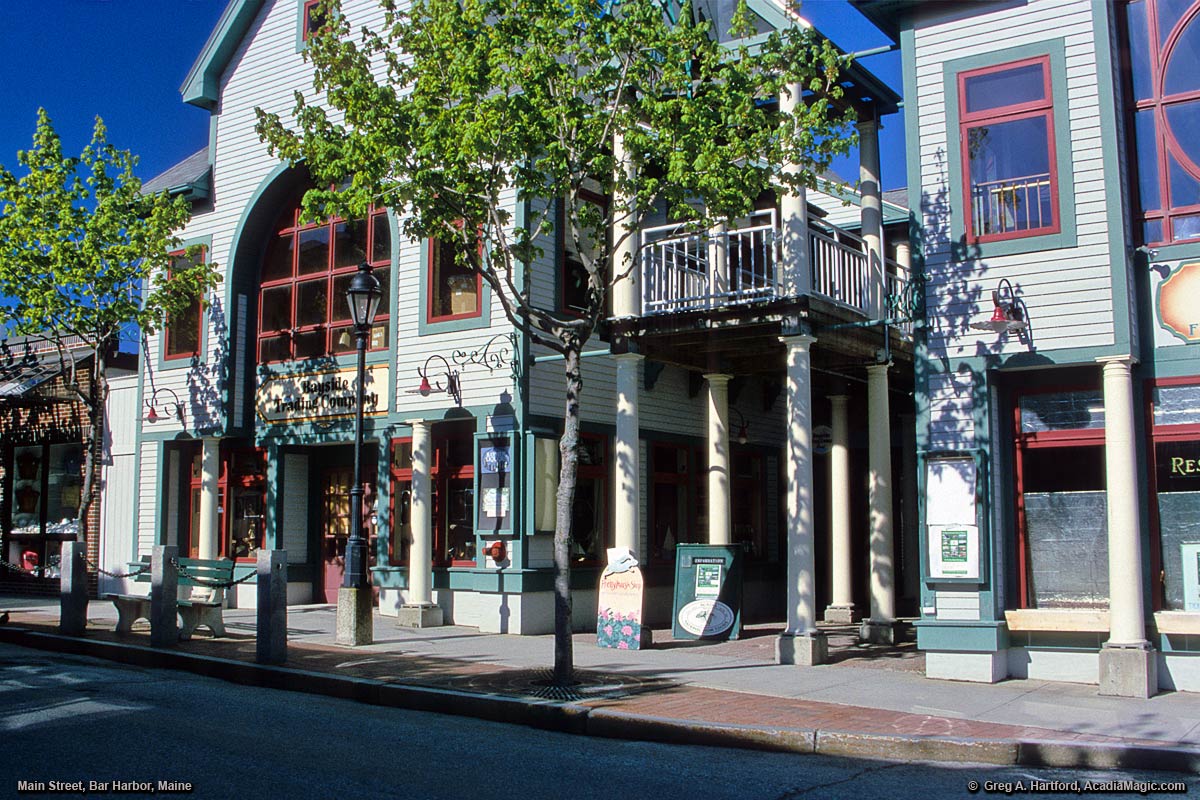
Shops that serve visitors sometimes cluster in harbor districts, shopping streets and areas near attractions. A hobby shop might sit beside a toy store or a souvenir shop, and collectibles dealers may appear at weekend markets. These patterns vary from town to town, so treat them as a rough guide rather than a rule.
Seasonal trade also changes what is open. Some stores run longer hours in summer and close during quieter months, and small independent shops may keep unpredictable hours. Calling ahead or checking a recent review saves a wasted walk, which is especially frustrating after a long journey. Tourist districts are not the only place to look. Industrial estates and older shopping parades sometimes hide a specialist store that has survived for decades. Ask at a hotel front desk, since staff often know which shops collectors visit. A short detour often turns up the best finds.
Look at the surrounding streets on a map before you set out. A cluster of two or three shops within a short walk makes a more efficient morning than a single store at the far edge of town.
Searching Before You Leave
Begin with online map searches for hobby, model and collectibles stores in the destination town. Cross-check the results against recent reviews and the store's own social profiles. Model railroad and diecast forums often list shops that members rate, and those recommendations usually reflect real experience. Save the locations to a map so that you can plan a walking route.
Pay attention to the age of any listing. A shop that has not updated its details for years may have closed, moved or changed its focus. A short message to the store can confirm whether it still carries the type of items you want, and whether it can hold something for you.
Make a shortlist of three or four places rather than a long list. A written list of names also makes it easier to ask a shopkeeper for a specific item. Catalog pages in the archived category index are a handy way to recall the names of ranges worth asking about. A focused route leaves time for a proper look at each shop, which matters more than visiting every name you found.
Comparing Shop Types
Different kinds of store suit different collectors. The table below gives a general comparison of what to expect from each.
| Shop type | What it usually stocks | Strengths | Points to check |
|---|---|---|---|
| Hobby specialist | Scale models, track, scenery, paints | Staff knowledge, parts and accessories | Stock may be limited; ask about special orders |
| General toy store | Mass-market diecast and starter sets | Easy to find, usually open long hours | Limited selection of collector-grade pieces |
| Antiques or collectibles dealer | Older items, boxed sets, mixed lots | Occasional rare finds | Condition and authenticity need careful checks |
| Weekend market stall | Used and surplus items | Negotiation is possible, good for swaps | Quality is uneven; inspect before paying |
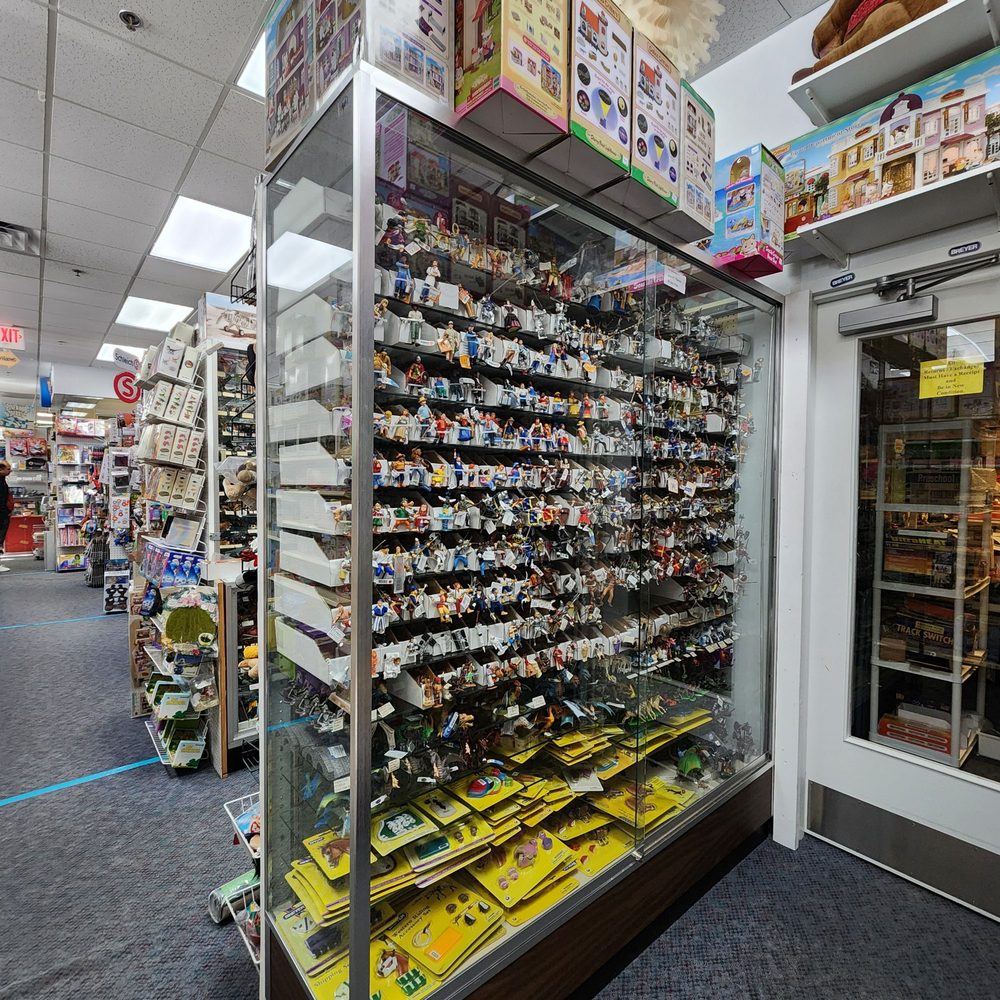
A specialist shop is usually the most reliable place for new stock and expert advice. Antique dealers and market stalls can be rewarding, but they require more care. Ask the vendor how long they have been trading, since a longer history often means more reliable stock and fewer surprises. Keep the table in mind when you compare prices, because the same item can cost more in a specialist shop that offers a guarantee. Give yourself time to examine each item properly before deciding.
Checking Authenticity and Condition
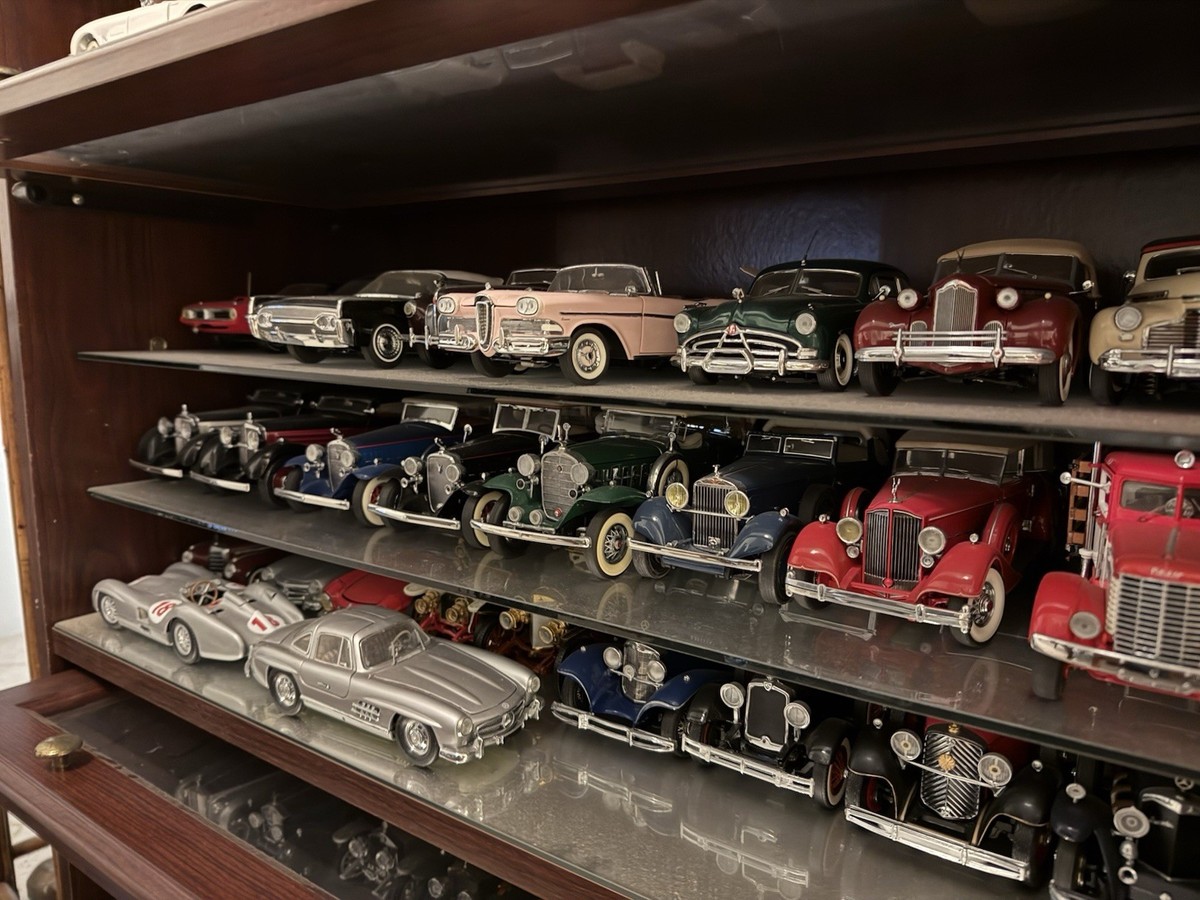
Inspect each piece before you pay. Look at the paint for chips and bubbling, check the wheels and axles for smooth movement and examine any decals or printed lettering for fading or scratches. Compare the item with a reference photograph if you have one, since reproductions and repainted pieces turn up often in secondhand trade. If you have a catalog name in mind, check it against the archived product index before you agree a price.
Boxes and packaging matter for both protection and resale value. Ask whether the original box and any inserts are included, and whether the item has been kept in sunlight. A clear, honest answer from the seller is a good sign, while evasive replies suggest it is time to walk away.
Ask about provenance when the price looks high for the condition. A seller who can describe where a piece came from, and who is comfortable with a close inspection, is usually easier to deal with than one who rushes you. A missing box lowers value but does not make a model worthless, so decide what you can accept before you negotiate.
Negotiating, Paying and Shipping Home
Polite negotiation is normal at markets and with secondhand dealers, although most specialist shops set fixed prices. If you are buying a group of items, ask about a price for the lot, and request a small discount on pieces with minor flaws. Pay with a method that gives you a receipt, and keep the receipt with the item.
If you plan to ship purchases, ask the shop what packing it provides and which carriers it uses. Keep the most valuable items in your carry-on rather than in a checked bag. Photograph each purchase on the day you buy it, so there is a clear record of its condition if something goes wrong on the journey.
Set a limit for the trip before you start buying. A simple cap on the total spend keeps the holiday enjoyable and stops the last afternoon from turning into an expensive scramble. Carry a small roll of tape and a few sheets of bubble wrap for the return journey. Check whether a seller can wrap items securely, and ask whether they offer a discount for bulk packing. If a seller refuses any form of receipt, treat that as a reason to reconsider.
Frequently Asked Questions
Can I find model shops in every beach town?
No, the number of model and collectibles shops varies widely. Larger tourist towns and harbor cities are more likely to have one or two. Smaller resorts may have only a general toy or gift store.
How do I tell whether a diecast model is genuine?
Check the maker's markings, the quality of the paint and the consistency of printed details against reference photographs. Be cautious with very cheap pieces sold as rare. Asking the seller about provenance is reasonable.
Should I check online prices before visiting a shop?
Comparing prices online helps set expectations for what a fair price looks like. Shops often hold different stock than their online listings, so confirm availability with the store before relying on it.
What should I do if a purchase arrives damaged?
Photograph the damage, keep the packaging and contact the seller promptly if they can still help. Depending on how you paid, your bank or payment provider may offer dispute options.