Model Trains and Real Journeys: How Railway Hobbyists Plan Travel Around Their Passion
Many railway hobbyists treat a real train journey as a form of research. Watching how carriages are arranged, how platforms are laid out and how the line bends through a landscape gives a builder useful reference for scenery, signaling and rolling stock. A rail trip can therefore be a holiday and a working holiday at the same time.
This article explains how to plan a rail journey around a hobby interest, which kinds of coastal routes suit the trip and how to take notes and photographs without getting in anyone's way. It is general guidance. Timetables, fares and heritage operating days change, so confirm details with the operator before you travel. The product index in the company's archive is a reminder of how many rolling stock types the hobby has long celebrated.
Why Rail Travel Suits Hobbyists
A train gives you a view that a car does not. From a window seat you see embankments, level crossings, goods yards and the backs of towns, which are often the most useful parts of a scene for a builder. Timetables also give structure to the day, and time on board can be spent sketching, reading or making notes about the details you want to remember.
Rail travel also suits collectors who carry things. Trains usually allow more luggage space than a short-haul flight, and there are no security queues for a boxed model. Keep the box in sight, though, and use a bag that closes firmly.
The gentle pace of a long journey gives space for thinking about a project. Use the time to sketch the scene you have in mind. If you want a sense of how the company behind the reference models described itself, the archived about page is a short starting point. Many builders return from a trip with a clearer idea of how a layout should look, simply because they had uninterrupted time to picture it.
Planning a Route Along the Coast
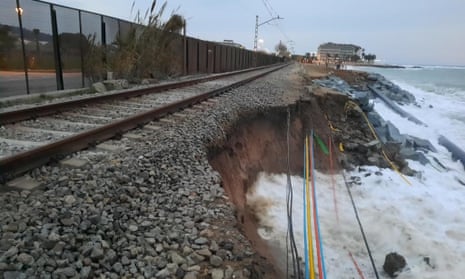
Coastal lines are often the most rewarding for a railway enthusiast, because the track runs close to the sea and the scenery changes quickly. Look for routes where the line passes harbors, sea walls and seaside stations. Check which services run on the days you plan to travel, since weekend and holiday timetables often differ from weekday ones. Print the timetable page you need, because a phone can lose signal on a long coastal stretch. Keep a note of the last return service as well, so an early finish does not leave you stranded.
Allow more time than the journey itself requires. A connection that looks comfortable on paper can disappear if a train runs late, and a missed train on a quiet coastal line can mean a long wait at a small station. Build a flexible return plan into the trip, especially if you carry purchases you want to keep close.
Choose a seat on the side that faces the water when the line allows it. Views from the sea side show the shoreline, cliffs and beach structures from the angle a model viewer would see, which is useful for planning a scene.
Heritage Lines and Seasonal Services
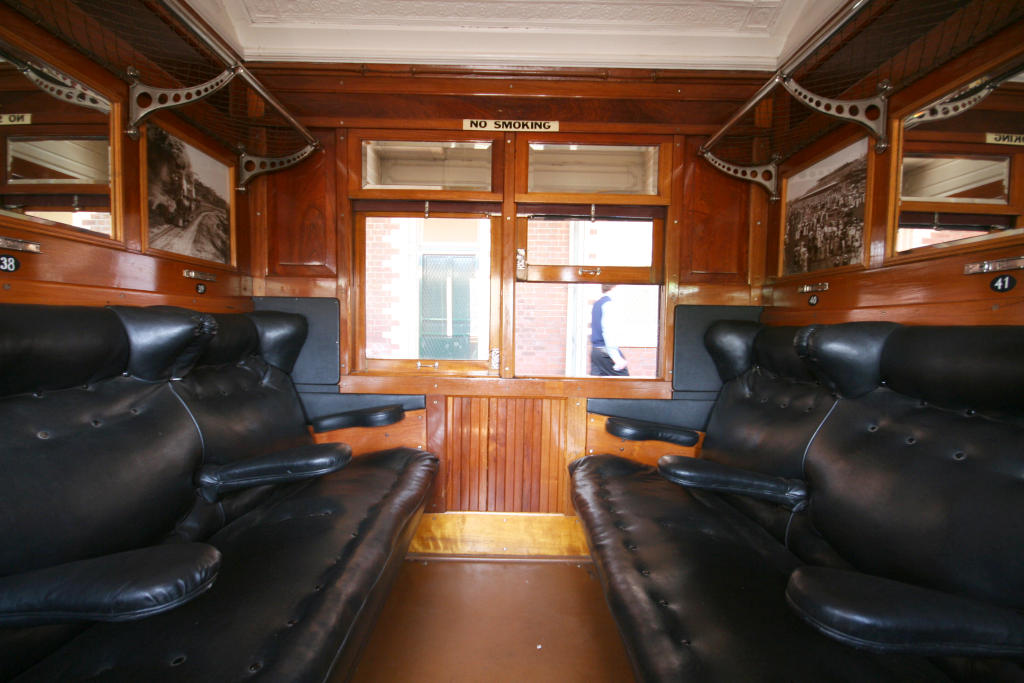
Heritage railways, often run by volunteer groups, offer a different kind of experience. Their trains tend to run on selected days, sometimes only in the summer months, and their rolling stock is usually restored to a particular era. For a modeler, that can be a valuable source of accurate detail for period layouts.
Confirm the operating calendar with the railway before you travel, and check whether tickets must be bought in advance. Many heritage lines have small staff teams, so a polite approach and clear questions help a great deal. Ask for permission before photographing inside a carriage or a cab, and respect any rules about tripods or drones on the line.
Some heritage lines hold special events with period costumes or open days for the public. Those events can be a good place to see how a complete train is coupled, shunted and presented, which is hard to learn from a book alone. Check whether a special event needs a separate ticket, since some are priced differently from a standard return journey. Arrive early for the best view of the locomotive, because a busy platform fills quickly on open days.
Photographing and Taking Notes Without Blocking the Platform
Good reference photographs are quick and unobtrusive. Stand clear of platform edges and doorways, keep your bag out of the way and avoid stopping in the middle of a walkway. A small camera is usually enough for detail shots, and a phone with a steady grip works well for wider views.
Notes often prove more useful than photographs. Record the colors of paint, the spacing of posts and the type of signal arms, along with the time and place. A quick list written on the platform can become a precise checklist for a model back home.
Keep your reference material organized. Name each photograph with the station and date, and store the notes in the same folder. Six months later, a clean set of references is worth far more than a large pile of unlabeled images. Sort the notes under the headings of the archived category index, which gives a simple structure for a builder's reference file. Ask staff first, since some lines have rules about notes on equipment, and many staff are happy to explain a detail if asked politely.
Packing for Trains, Stations and Platforms
A rail trip favors a light, well-organized bag. Keep the most fragile items in a padded case that fits under the seat or in the overhead rack, and carry it rather than wheeling it over uneven platforms where possible. Platform gaps and steps can damage cases and their contents, so take a moment to check your footing when you board.
If you travel with a hobby kit, keep sharp tools and solvents in a sealed bag inside your main case, and check the operator's rules on carrying such items. Rules differ between rail networks, so the safest approach is to ask before you travel rather than assume.
Pack a small kit for minor repairs to the box, such as tape and a spare strap. Those few items solve problems that would otherwise leave a model unprotected for the rest of the journey. Pack a lightweight bag for the platform, and keep heavier items in a second bag you can place on a luggage rack. If you plan to buy small kits or souvenirs on the way, leave room in the case for them.
Frequently Asked Questions
Can I bring model trains on a train journey?
Usually yes, as long as they are packed securely and kept with you. Check the operator's rules on luggage size and on items that could be considered hazardous, particularly tools or solvents. A boxed item in hand luggage is usually the safest option.
How do I find heritage railways that run in a coastal area?
Start with national or regional heritage railway associations, which list member lines and their operating calendars. Local tourist information offices also keep details of seasonal services. Always check the latest timetable before you travel.
Is it allowed to photograph trains and stations?
Photographing trains and stations is usually permitted for personal use, but rules vary by location and operator. Be respectful around staff and passengers, avoid blocking access and ask if you are unsure.
Do heritage trains suit modelers better than modern services?
Heritage trains offer period detail that modern services do not, which helps a builder working on an era-specific layout. Modern services are often a better reference for current signaling and scenery. Both can be useful, depending on the project.