Packing Fragile Collectibles for a Beach Vacation: A Diecast Collector's Travel Guide
Diecast models and beach trips do not mix well by default. Salt air, sand, humidity and the heat inside a parked car can all damage a collectible long before it reaches a display shelf. A little planning before you leave is the difference between a trip that brings home a rare piece and one that brings home a box of loose parts.
This guide covers what to take, how to pack it and what to check once you are back. The advice draws on the kinds of die-cast vehicles and railway stock that Model Power produced before it stopped trading as an independent company in 2014. The archived product index is a useful reference for the sort of pieces discussed here, and the about page explains the company's history.
Why Beach Trips Are Hard on Diecast
Salt air leaves a fine film that can work into hinges, axles and any exposed metal. Humidity is the bigger problem for most collections, because it encourages corrosion on zinc alloy bodies and can soften the glue used on tiny details such as railings, handrails and signage. Sand is a nuisance on its own. It gets into doors, wheel housings and the grooves of plastic bases, and it scratches paint when shaken out carelessly.
Heat is the least obvious risk. A closed car on a sunny beach parking lot can climb well above the outdoor temperature within a short time, and the inside of a suitcase left in a warm room behaves the same way. Repeated heat cycles loosen joints and can cause paint to soften or yellow over time. Let every piece dry fully before it goes in a box, because a model packed while still damp will sweat overnight, and that trapped moisture can spread corrosion to neighboring pieces.
Direct sunlight fades decals and printed lettering. A model that spends an afternoon on a windowsill is at risk even if nobody handles it, so keep pieces out of the sun whenever they are not being viewed.
Choose What Travels and What Stays Home
Not every piece should leave the house. Rare or fragile items, anything with delicate separate parts and any model you would be upset to replace belong at home, in a case, with someone you trust to check on them. Take the pieces you can afford to see scratched or stained, and leave the irreplaceable ones behind. A long trip with several transfers puts more stress on a case than a single drive, so a fragile piece that survives only with heavy padding may be better left home.
A short checklist keeps the decision honest:
- Mark any irreplaceable piece and leave it at home.
- Check that loose or glued-on parts are secured before packing.
- Confirm each item fits its original box or a padded case that closes firmly.
- Photograph every piece with its catalog number visible before departure.
Photographs are useful later, both for matching packaging and for documenting damage if something arrives in poor condition. The archived category index can help you confirm how a piece was grouped when you first bought it. Keep receipts with the photographs where you can, because a dated record makes any later question easier to settle.
Packing Materials That Actually Protect
Foam sheet, rigid plastic boxes with compartments and small zip-top bags do most of the work. Wrap each model in acid-free tissue or a soft cloth first, so the foam does not rub paint. Pad the box so nothing can move when the case is tipped or dropped a few centimeters onto a hard surface.
Bubble wrap works, but it can scuff soft finishes and leaves dust, so use it as an outer layer rather than against the paint. Avoid newsprint, which can transfer ink onto light-colored bodies. Clean tissue is a safer choice for the first wrap. Check the fit before you close the lid. A model that rattles in its compartment will eventually wear its paint, so a snug fit with thin padding beats a roomy box with loose space.
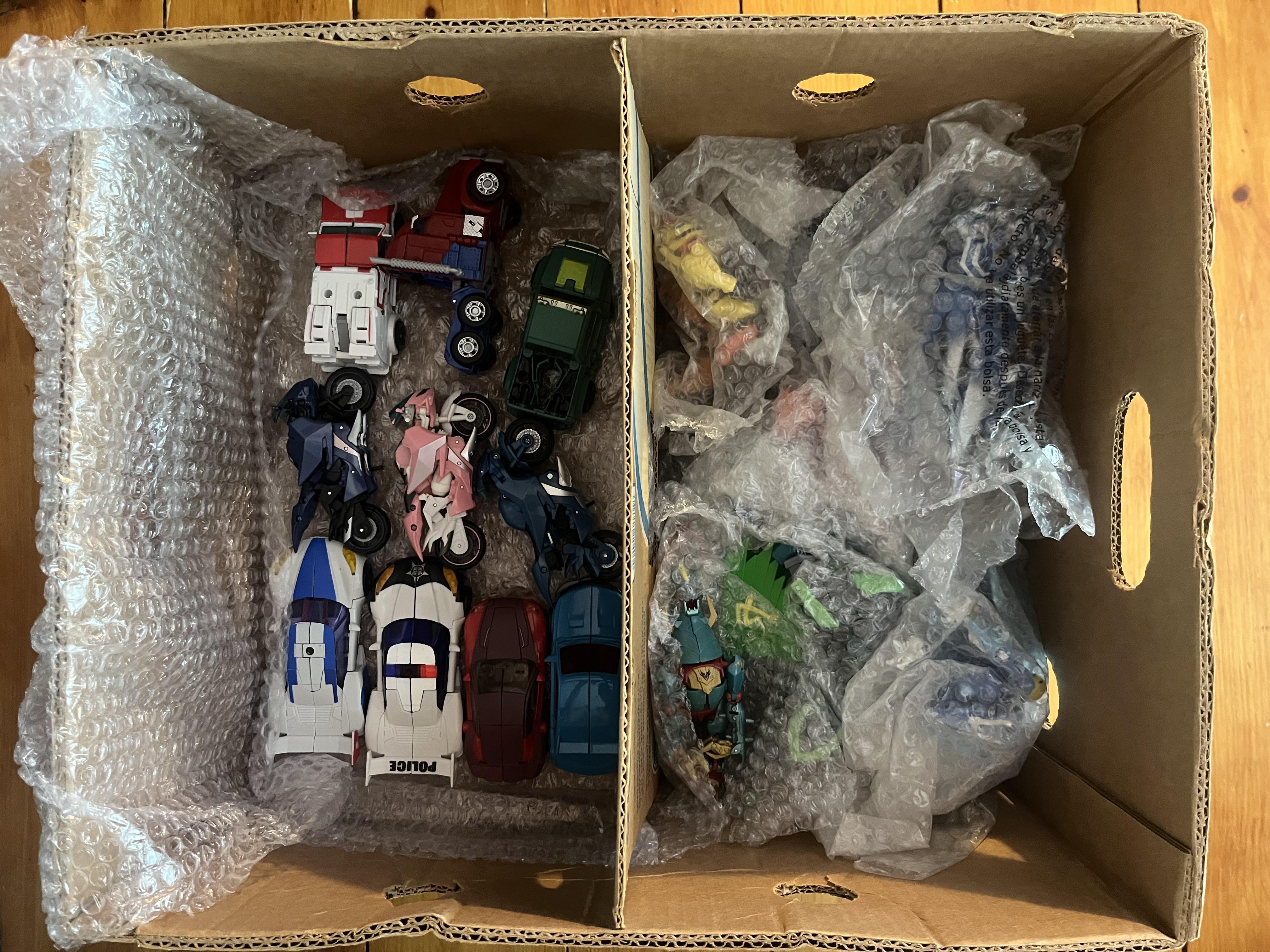
Add a few silica gel packets inside sealed bags to control humidity, and keep them away from the model surfaces themselves. Keep the bags closed until you reach your room, because opening them in a humid environment lets moisture in. Label each box with its contents, so that you can find one item without unpacking the whole collection.
Protecting Pieces in Transit and in Luggage
Carry the most valuable items on board rather than in the hold. Cabin baggage is handled less roughly, and it stays with you if the main bag is delayed. Keep fragile boxes in the middle of a soft bag, surrounded by clothing, and avoid placing heavy shoes or toiletries on top of them.
Hard cases protect better than soft ones, but they need enough padding that nothing can slide and strike the walls. If you travel by car, keep the collection in the cabin with you, not in the trunk beside a hot engine or in a rear compartment where temperatures swing. Keep the case shaded between stops.
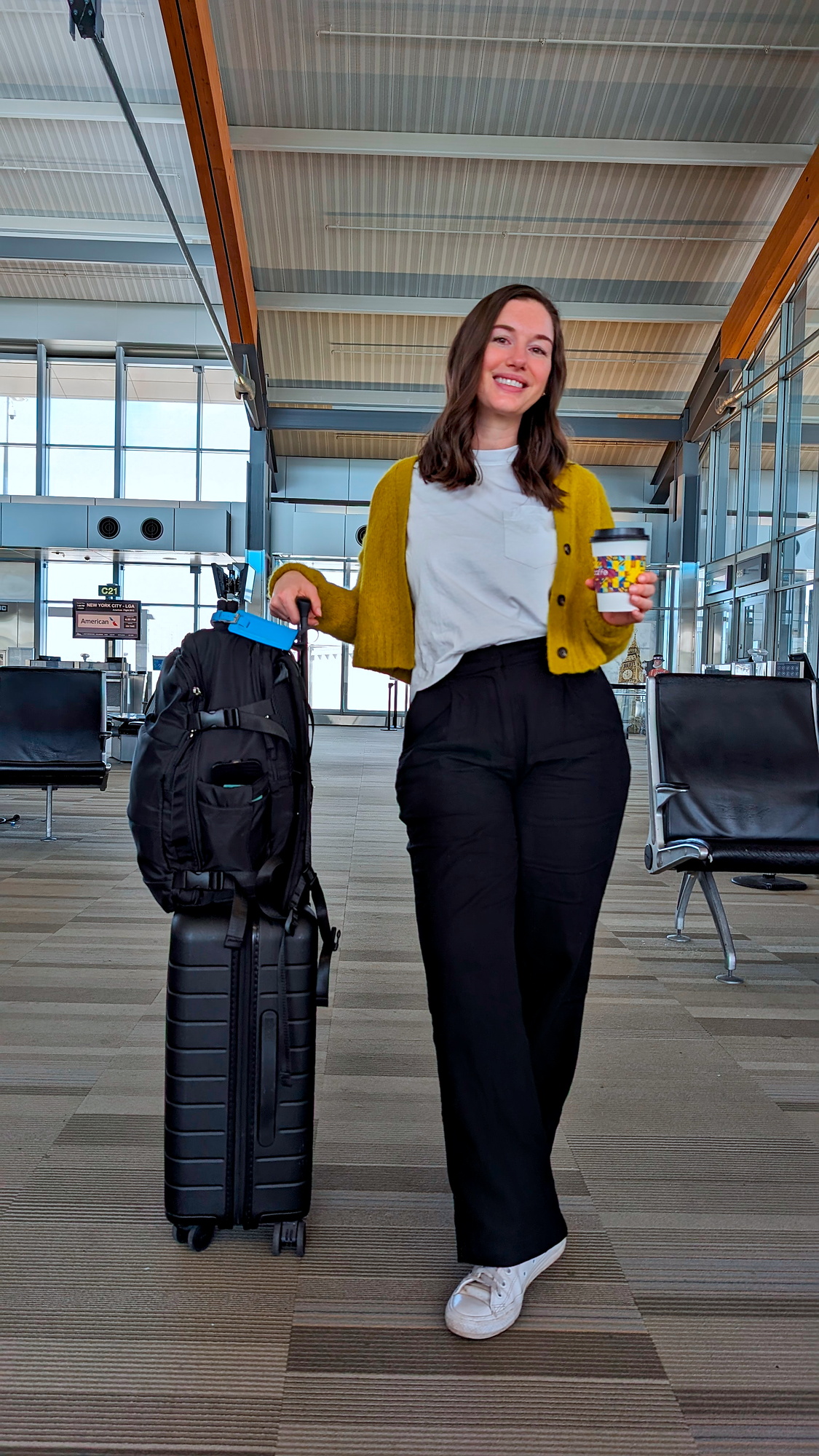
On trains, store the box in the overhead rack or on your lap rather than in a bag that might be stacked under others. Check your footing when boarding, because a sudden step or platform gap is one of the most common ways a boxed model gets knocked. Think about where the case will sit at each stop. A bag left on a hotel floor, a baggage cart or a wet car floor can expose the contents to pressure or moisture, so keep the case in sight whenever possible.
Unpacking and Inspecting Pieces at Home
Unpack collectibles as soon as you arrive, in a room with normal humidity. Take each one out of its bag gently and inspect it under good light. Look for hairline cracks in resin or plastic, lifted paint on edges, tarnish on metal and fine grit caught in moving parts. Record anything you find in your inventory list, with a photograph. Keep a flashlight or a bright desk lamp nearby, because surface scratches and hairline cracks are easiest to see at a low angle. A quick inspection after unpacking makes it simpler to match any damage to a specific stage of the journey.
Clean sand and salt with a soft brush or a dry microfiber cloth. Avoid soaking anything in water, and avoid household cleaners on painted surfaces, since many of them dull finishes. If a model shows corrosion or a loose part, stop and sort it before handling it further.
Reseal leftover silica packs and store the case somewhere dry, not in a closed car or a damp garage. For older or valuable pieces, ask a specialist before using any oil on axles, because a product that helps one metal can harm another.
Frequently Asked Questions
Can I take diecast models in carry-on luggage?
Usually yes, but rules on size and weight differ by airline and country, so check before you travel. Pack valuable pieces in a hard case that fits under the seat or in the overhead bin. Keep the case with you rather than in the hold.
Do silica gel packets actually help?
They absorb moisture inside a sealed container, which lowers the risk of corrosion on metal parts during the trip. They cannot repair damage that already exists. Use them with clean, dry items only.
Should I use bubble wrap or foam?
Foam or soft tissue is safer against painted surfaces, and bubble wrap works best as an outer layer. Avoid letting any plastic sit against a painted finish for long periods.
What if a model arrives damaged?
Photograph the damage, keep all packaging and note the condition of the box before you unpack it. Then contact the seller or service you bought the item from, if they can still help.