Why Seaside Towns Make Perfect Miniature Scenic Layouts
Few layout themes give a builder as much to work with as a seaside town. The shoreline supplies a natural boundary, the buildings have strong shapes and the light changes in ways that suit a small scene. For a model railroad builder, a coastal layout also combines track, buildings and water in one composition.
This article looks at why seaside subjects suit miniature scenery, what to observe before you start building and how to avoid the common mistakes that make a coastal diorama look flat. It is written for hobbyists who already know the basics of scale modeling. The category index shows how scenery and building items were grouped in the company's archived range, which can help with ideas.
The Visual Vocabulary of a Seaside Scene
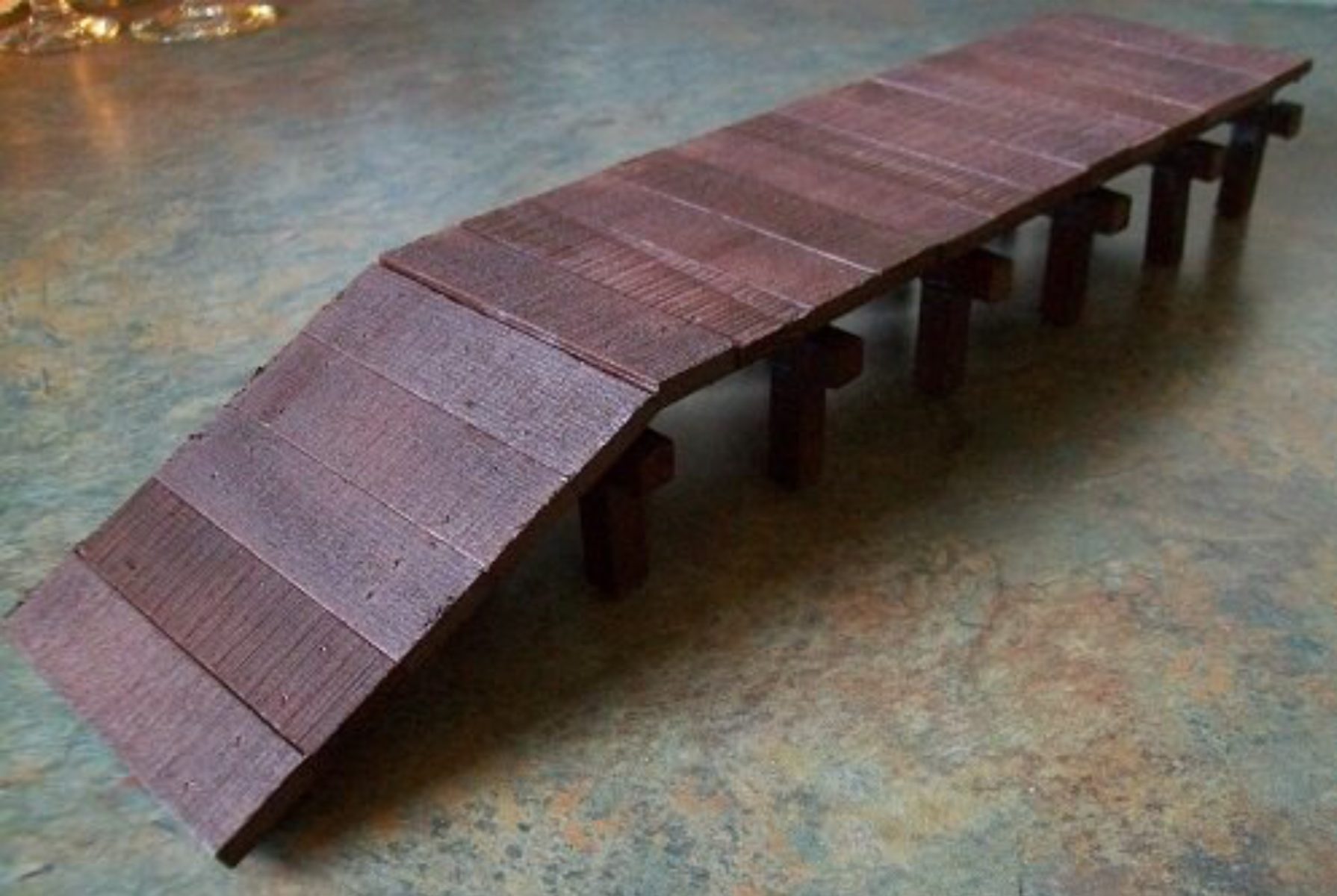
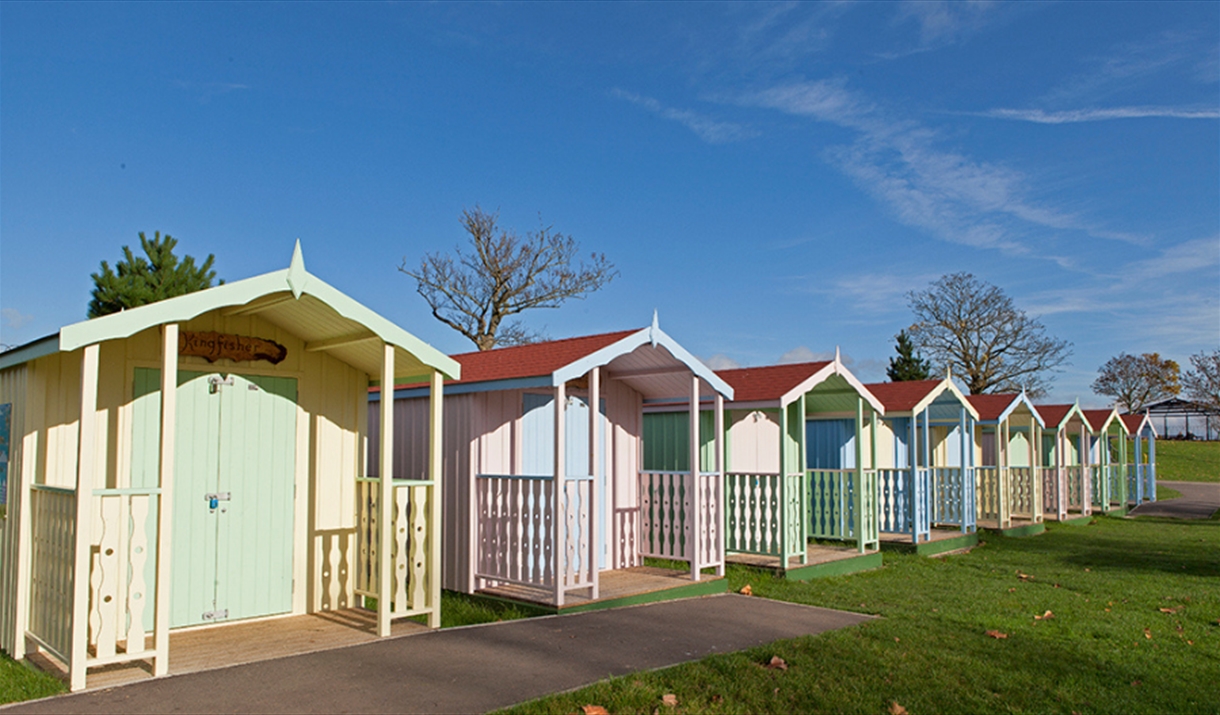
A convincing coastal layout relies on a small set of recognizable features. Piers reach out over water and give a scene an immediate sense of place. Promenades and railings set a horizontal line along the front. Lighthouses, harbor walls, beach huts, boat sheds and kiosks give the eye something to follow across the scene.
Rooflines matter too. Seaside towns often mix tall terraced houses with low, weather-worn sheds and small hotels. Those contrasts make the scene read as lived-in. A layout with uniform buildings looks more like a catalog display than a town, so vary the heights and ages of the structures. A single tall hotel between low sheds gives the eye a focal point.
Color carries meaning as well. Faded pastels, bright signage and whitewashed walls each suggest a different period or climate. Choose a small palette before you paint anything, then repeat it across the buildings so that the scene feels coherent. Signage on a shop or hotel front tells the viewer what kind of town this is, so one well-painted sign can do more than a dozen extra windows. Keep the lettering simple and readable at the viewing distance.
Studying a Real Coastline Before You Build
Reference photographs are the most useful tool you have. Take your own pictures on a visit, or collect images from public archives, and note the features that repeat: paint colors that fade in the sun, the angle of the sea wall and the proportion of sky to horizon. Sketch the plan of a harbor or promenade so the spacing of buildings feels natural.
Pay attention to details a visitor often misses. Look at how gutters run, how signs are mounted, where bunting is strung and which surfaces show salt staining. Those small marks carry more realism than a perfectly modeled facade with nothing else around it.
Measure what you can. Counting windows on a row of houses or pacing out the length of a pier gives you proportions that a photograph alone cannot provide. Write the measurements beside your sketch so you can scale them down later without guessing. If you cannot visit in person, recent satellite views and street-level photographs help show how a seawall or promenade meets the sand, since those edges are hard to reconstruct from memory.
Scale, Space and the Water's Edge
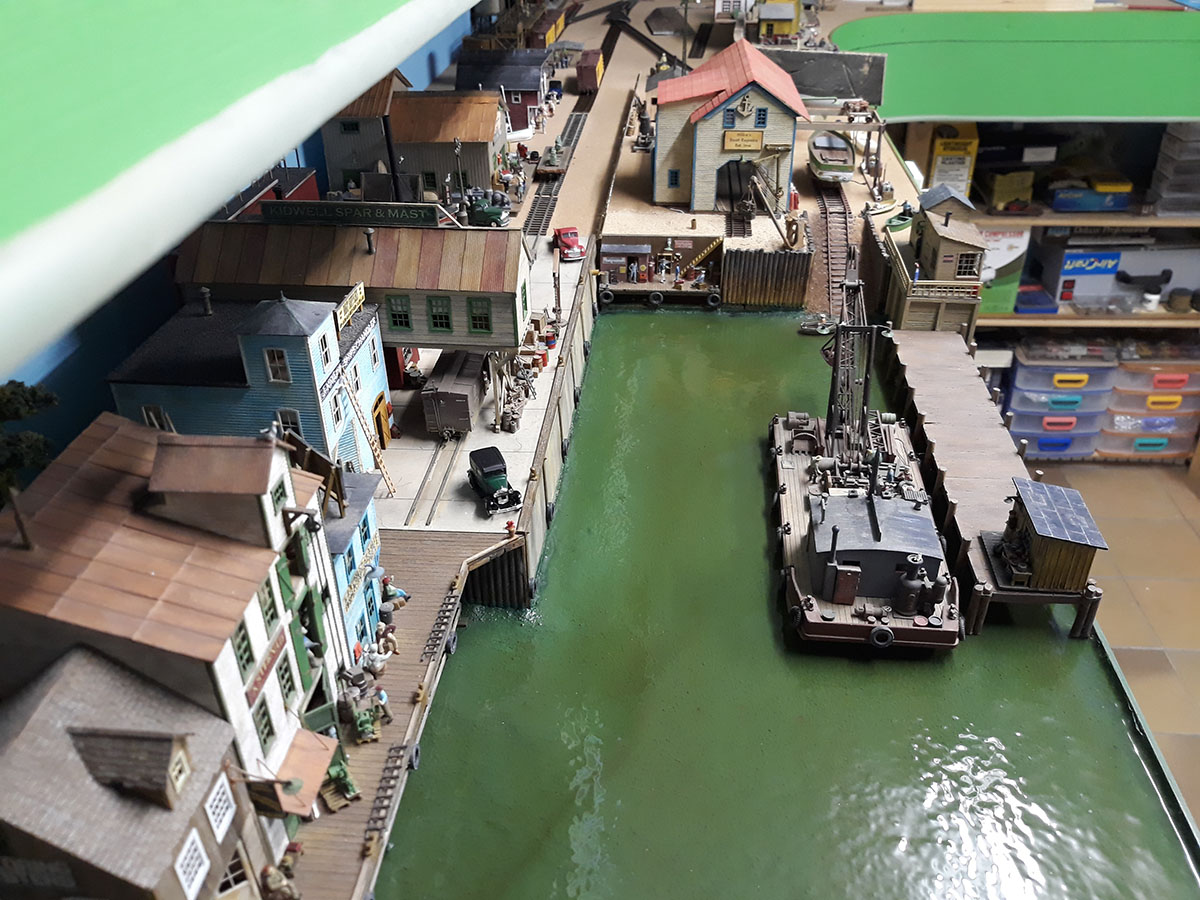
Water is the hardest element to get right. A flat, glossy resin surface can look convincing from a distance, but it often gives the scene a plastic appearance up close. Many modelers use layers: a dark base for depth, a semi-transparent tint for color and a thin gloss coat that catches light near the shoreline. Let the sand or foam edge run under the surface rather than meeting it at a hard line.
Space is a practical constraint. A narrow shelf can hold a single pier and a few buildings, but it works better as a viewpoint than as a full town. Decide early whether the sea fills the foreground or sits at the back of the layout, because that choice shapes everything else, from track position to the size of the buildings near the front. Think about the sightline from the usual viewing position as well. A pier that looks impressive from above may disappear at seated eye level, so check the scene at the height people will see it. Lower the camera to that height and take a test photograph.

Lighting and Weather in Seaside Dioramas
Coastal light is low, warm and often hazy, and a small lighting scheme can capture that quality better than any amount of paint. Use warm white LEDs at low intensity in streetlights and shop windows, and angle them so they cast a soft glow rather than a hard circle. A slight haze, applied with thin sprays or a sheet of diffusing film, suggests distance and sea air.
Weather adds another layer. A scene with wet walls, rippled water and a few puddles on the promenade reads very differently from a bright, dry summer afternoon. Choose one mood and carry it through the whole layout. Mixed signals, such as a storm sky above a sunlit row of deckchairs, usually look like a mistake to viewers.
Test the lighting before you fix anything in place. Photograph the scene under your planned lamps, then check the image on a screen. Shadows that look fine to the eye can turn muddy in a photograph, and it is far easier to adjust a lamp now than after the glue has set. Warm light on one side of the scene helps the sea read as open space rather than a flat plane.
Figures, Vehicles and Small Signs of Life
Small figures bring a seaside scene to life. A few people with bags, a family on a bench and a vendor beside a kiosk create a sense of time and purpose. Keep the figures at a scale that matches the buildings, and avoid placing them all in the same pose. Groups of two or three work better than rows of identical figures. A bicycle leaning on a rail or a child's bucket beside a bench adds a human scale that figures alone can miss. Keep the number of vehicles small enough that the street still reads clearly.
Vehicles should fit the era you are modeling. A classic parked car near a seafront cafe suggests one period, while a modern van suggests another. The Structo collectible metal replica cars category shows how small, period-appropriate vehicles can sit naturally in a street scene.
An archived product page from the company's catalog shows how items were presented to customers at the time. That kind of reference is useful for judging finish and scale, though you should measure any item yourself before relying on it in a layout.
Frequently Asked Questions
What scale suits a seaside layout best?
Smaller scales let you fit more of a town into the same space, while larger scales show more detail in buildings and figures. Choose based on the room you have and how much detail you want to show. A shelf-sized scene can be just as convincing as a large one.
How do I make water look realistic?
Use layered tints and a glossy top coat that catches light near the shore, rather than a single flat color. Let the shoreline blend into the water rather than meeting it at a hard edge. Test the finish under the lighting you plan to use.
Do I need a real harbor as a reference?
A real harbor helps, but photographs from many coastal towns work just as well. Focus on the features that repeat across seaside places, such as piers, railings and weathered sheds.
Is a seaside layout harder to build than a town layout?
It introduces water and open sky, which take practice. The basic techniques for buildings and track are the same, so experienced builders adapt quickly.