From the Workbench to the Boardwalk: Planning a Collector's Weekend Away
A weekend away suits collectors well, because two days is long enough to change the rhythm of a hobby without making the bench feel distant. The challenge is balancing hands-on time with the things a holiday should offer, such as walks, meals and time with people who are not thinking about scale.
This guide sets out a practical plan for a two-night break: how to choose a base, how to build a schedule with slack, what to pack and how to bring the trip back into your hobby afterward. It is general planning advice, and it works equally well for a model railroad builder, a diecast collector or anyone who wants a change of scene.
Choosing a Base That Fits the Plan
A base within an hour or two of home keeps the trip light. You can leave early, return easily and carry purchases or projects without much hassle. A town with a good seafront, a few cafes and a museum or two gives you enough options for the hours when bench time runs out. If you want a little background on the company behind the range, the archived about page is a short starting point.
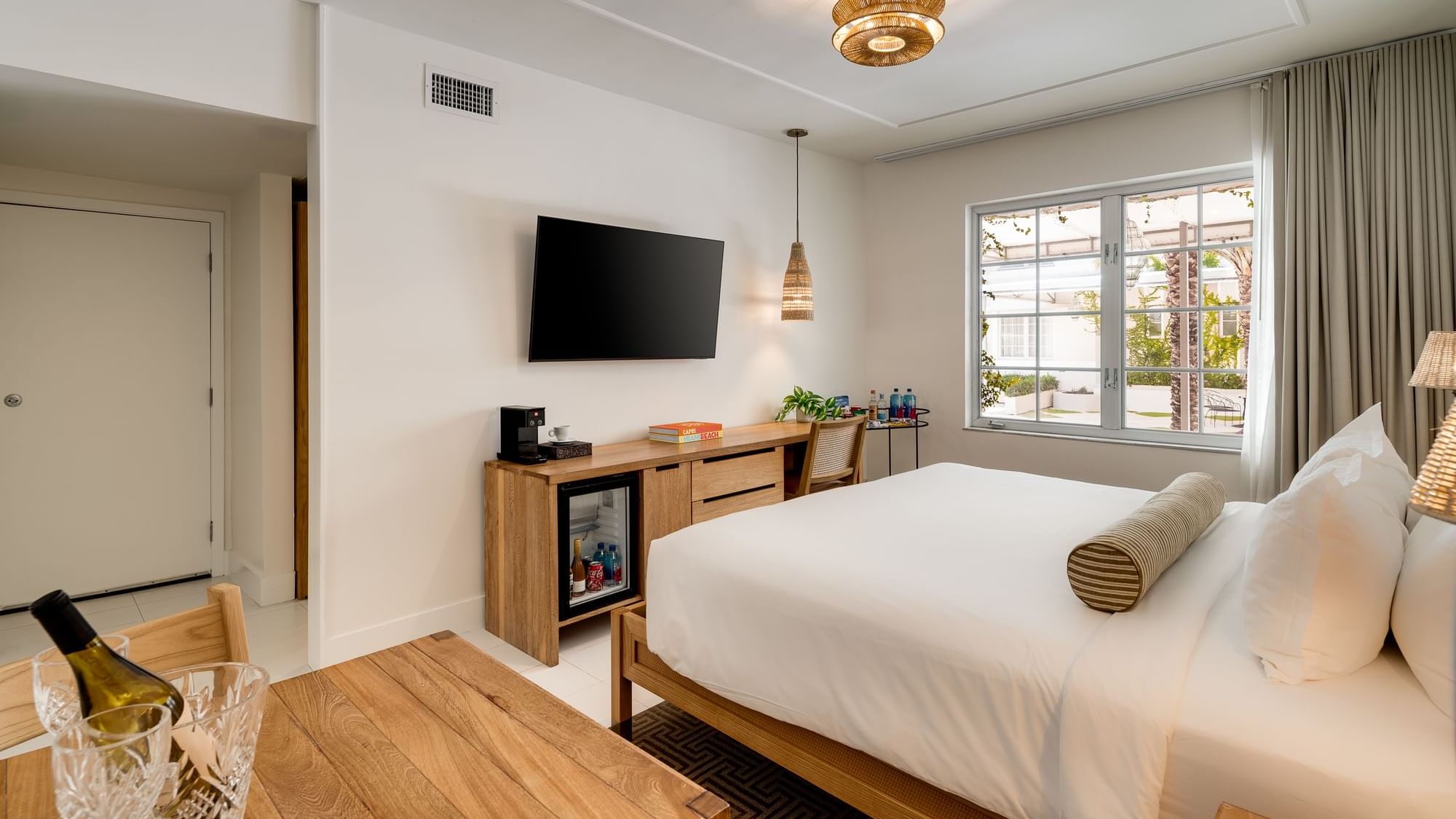
Look for accommodation that offers a table, decent lighting and a window that gets daylight. Even a short session feels worthwhile in the right room, and a cramped corner of a bed is a poor workspace for fine detail work.
Some collectors plan around a model shop or a club layout they want to see. If that is the reason for the trip, confirm opening hours before you book, because many smaller shops keep unusual hours. The archived category index is a handy list of the scale categories a shop might carry, so you can check what to ask about in advance. A quick message to the shop before the trip also tells you whether the owner is happy to talk to visitors.
Building a Schedule With Real Slack
Plan each day in broad blocks rather than fixed hours. A morning session on a small project, an afternoon walk along the shore and an evening meal out is enough structure without turning the weekend into a work shift. Leave at least one block empty, so that you can follow a good idea or a detour without feeling guilty about it.
Decide before you leave what will count as success. For some people, finishing a single building is the goal. For others, the aim is to sketch a scene, take reference photographs or simply get a few uninterrupted hours of making. A clear, modest target keeps the weekend satisfying even when the plan changes.
Build in a rest point each afternoon. Hobby work is absorbing, and fatigue shows up as careless cuts and rushed glue. A walk, a coffee or a short nap resets both attention and patience, and it usually makes the next session better. Sketch one small thing you saw that day, even if it is only a roof line or a color, and keep it with the notes for the next session.
What to Pack for a Two-Day Hobby Break
Keep the hobby kit small enough to carry without a second bag. The list below covers what most collectors need for a weekend, adjusted for the level of work you plan to do.
- A small tool roll with knives, tweezers, files and a steel rule
- Adhesive and a fine applicator, sealed in a labeled bag
- Reference photographs or sketches saved to a phone or tablet
- A protective mat, a cleaning cloth and a small cutting board
- Spare batteries or a charger for any powered lighting
- A padded box for finished or part-finished models
Pack the hobby kit separately from clothes, so that a spill or a strong adhesive does not reach your clean things. Keep solvent-based products in their own sealed container, and check the rules for carrying them on public transport before you leave home. Check whether the hotel has an outlet near the table before packing a lamp or charger, since a cord across a walkway is a trip hazard. Add a roll of masking tape and a small notebook, both of which take almost no room. Pack a few spare blades as well, because a dull blade often needs more force, and that is when slips happen.
Keeping the Sea in the Hobby Time
A boardwalk is a useful source of ideas. Walk the length of a promenade, note how the railings are spaced, look at where the paint has faded and take a few photographs of doorways and signage. Those observations feed directly into a model, and they are far more useful than a vague memory of a generic seaside scene.
Try to connect the place with the bench. Sketch a rooftop from a cafe table, record the colors of the beach huts or write a short list of details you want to recreate. The aim is not to copy a town but to bring home a few honest references that make the next build more specific.
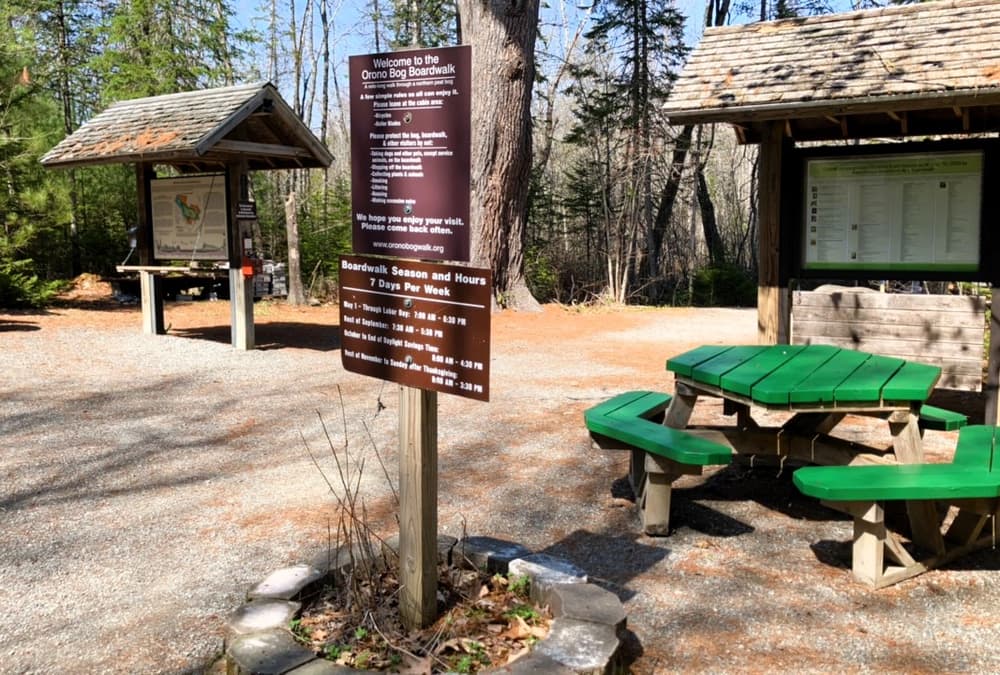
Keep the notes short and dated. A list written on the same afternoon as a photograph is far more useful a month later than a long diary entry, and it saves you from guessing which detail came from which street. Date each list and note the weather, since light and wet pavements change how colors look in a photograph. If a detail is hard to see, sketch it from two angles so the next build has something to work from.
Coming Home Without Losing Momentum
The first evening back is a good time to sort the photographs and notes from the trip. Rename the files with a date and place, then group them by project. A short written plan for the next session makes it easier to restart, because the hardest part of many hobbies is the first hour after a break.
Clean and store the tools straight away, and check that adhesives and paints are sealed. If the weekend produced a finished piece, photograph it before it goes on a shelf, so that the record of the build is complete. Put the tools back where they came from, and note anything you ran short of, such as a particular glue or a fine blade. That list becomes the shopping plan for the next trip and saves a second visit to the shop. Keep the photographs with the notes for that build, and match any unfamiliar part names against the archived product index.
Then set a date for the next session, even a small one. Momentum usually survives a short break when the path back to the bench is clear and the next step is already written down.
Frequently Asked Questions
How long should a collector's weekend away last?
Two nights is enough for a relaxed break with a few hours of hobby time each day. A single night suits a focused trip, but it can feel rushed. Longer trips need more planning for storage and travel.
Should I bring unfinished projects?
Bring only what you can work on comfortably, and keep the rest at home. Unfinished models are easier to damage in transit, and a half-finished build can create pressure to work when you wanted to rest.
Is it safe to use strong adhesives in a hotel room?
Use adhesives only in a well-ventilated space, follow the product label and keep containers closed when not in use. Check the property's policy on glues and solvents before you start work.
How do I keep the trip from taking over the whole weekend?
Set hobby sessions as fixed blocks and keep the rest of the schedule loose. A clear end time for each session stops a single project from absorbing the whole break.