Hobby Conventions Worth Planning a Beach Trip Around
A hobby weekend and a beach holiday can share a single itinerary more often than most people expect. Model shows, collector meets and club swap days are held in many different cities, and some of them fall in towns where the sea is a short walk from the hall. Planning a trip around one of these events is a practical way to turn a purchase run into a proper break.
This guide explains how to find events worth the trip, how to set dates around them and how to get purchases home safely. It is general planning advice. Event dates, venues and organizers change from year to year, so confirm everything directly before you book. The about page gives background on the company whose range shaped many collectors' interests, though it is a historical reference only.
How to Find Events Worth the Trip
Start with the places where collectors already talk. Club newsletters, regional model railroad societies, online forums and the social groups of specialist shops often publish dates well before the mainstream listings. Look for events that have run for several years, because a repeat event usually has an established venue and a reliable group of exhibitors.
Before you commit, check the organizer's own website or contact details. Ask how many traders attended last year, whether entry is free or charged, and whether visitors can book a table if they want to sell or swap. Vague answers are a warning sign, and so is an event page that has not been updated for a long time.
Read a few recent accounts from people who went. Forum threads and local club reports tend to mention practical things that a listing leaves out, such as parking, the quality of the lighting in the hall or how early the best stock sells. Pay attention to who runs the event as well. A club with a long record of meetings and a clear exhibitor list is usually a safer bet than a one-off listing with no contact details.
Matching Event Types to Your Trip
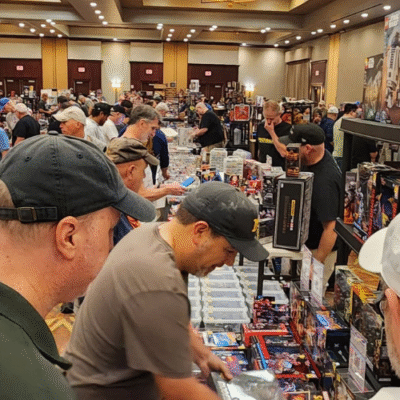
Not all events are the same, and the type of event affects how long you should stay. The table below gives a general comparison. Treat it as a starting point and check the details of each specific event.
| Event type | Typical length | What to bring | Booking advice |
|---|---|---|---|
| Large model show | One to three days | Cash, a wish list, a padded bag | Book accommodation early, since nearby hotels fill up |
| Collector swap meet | Half day to one day | Duplicates to trade, a small cash float | Arrive early for the best selection |
| Club meeting or open day | A few hours | Photos of your layouts, questions | Easy to add to a longer holiday |
A large show may justify a full weekend, while a swap meet fits neatly into a single morning. Some collectors plan a show for the first day and keep the rest of the trip open for unplanned exploring. That split works well when the venue sits close to the coast. Also consider the hall itself. A large, climate-controlled venue is kinder to stock than an outdoor market, and that affects what you should bring home. The product index is a handy memory aid for the names of items you hope to find.

Setting the Dates Around the Show
Arrive a day before the event whenever you can. A quiet first evening gives you time to rest after travel, look at the area and study the show layout online. It also protects you if a flight is delayed, since missing the opening hours of a show is an expensive mistake.
Leave the last day flexible. Many shows wind down by mid-afternoon on closing day, and that is often the best time to talk with traders who are willing to negotiate. A flexible departure also gives you room to pack purchases safely before the journey home.
Avoid booking non-refundable tickets until the event schedule is confirmed in writing. Build a rough timetable for the trip before you book anything. List the arrival time, the planned hours at the event, the first meal and the departure time, then check each against the transport options. A simple timetable exposes problems that are easy to miss when you only look at the dates. Schedules can shift for reasons outside the organizer's control, and a short wait for confirmation costs far less than a lost fare.
Choosing a Beach Base Within Reach
A base on the coast is often pleasant, but it can be a long trip from a show venue if traffic or public transport is slow. Check the drive or transit time at the hour you plan to travel, not just the distance on a map. Accommodation within walking or short-ride distance of the venue is usually the simplest choice, especially if you plan to carry boxes back to your room each evening.
Ask whether the property has a lockable room, a secure luggage store or a space where you can unpack and check items. This matters more for collectors than for most visitors, because a suitcase full of models is worth more than its contents suggest.
Read recent guest reviews for comments on noise, parking and how the staff handle late check-ins. A calm room with a desk is worth more to a collector than a larger room with no place to work. If you plan to drive, check the parking near the venue as well, since a full lot can turn a short trip into a stressful one.
Budgeting Without Overspending at the Show
Set a total budget before you leave and divide it into fixed categories: travel, accommodation, entry, food and purchases. Keeping purchases in a separate envelope or account stops a long day of browsing from quietly consuming the trip. Many collectors find that a written wish list helps them walk past items that look attractive but do not fit the collection.
Remember the costs that come after the show. Shipping, extra luggage and packing materials can add up, so price them in advance. A reliable habit is to leave a margin in the budget for these items rather than assuming the cash in hand will cover everything. Plan a small contingency as well, perhaps a few percent of the total, so an unexpected repair or an extra night does not derail the trip. Cash and cards behave differently at smaller events, so bring a mix of both.
Give yourself a rule for impulse buys, such as waiting an hour before committing to anything over a set amount. Most experienced collectors have a story about a purchase they regretted, and a short pause is an inexpensive way to avoid one.
Getting Purchases Home Safely
Pack purchases the same way you would pack a personal collection, using rigid boxes, padding and sealed bags. Keep the most valuable pieces in your carry-on, and take a photograph of each item on the day you buy it. That record shows the condition at the time of purchase if a question comes up later. Consider a separate bag for purchases if you expect to buy several items. Keeping everything in one place makes it easier to see what is missing at checkout and at the end of the day.
If you plan to ship a large order, ask the seller which carrier they use and whether the service is tracked. Keep receipts and the tracking number together with the photographs, and check the contents against your list as soon as the parcel arrives.
The archived Press Room from the company's active years shows how trade coverage described industry events at the time. It is useful background for judging which shows have a long history, but it is not a current event listing, so verify dates with the organizer before you travel.
Frequently Asked Questions
How far ahead should I book a trip around a collector show?
Booking several months ahead is sensible for popular venues, especially when the event falls on a holiday weekend. Confirm the dates with the organizer before you pay for flights or non-refundable rooms. Smaller swap meets usually need less lead time.
Are beach hotels expensive during shows?
Prices depend heavily on the season, the destination and the specific event, so there is no single answer. Searching a few weeks before departure gives a realistic picture of availability. Staying a little further from the venue often saves money.
Can I sell items at a show as a visitor?
Many events allow visitors to trade or sell, but the rules vary. Check whether there is a visitor table option or a separate fee, and whether the organizer needs a seller registration in advance.
What should I do if the event is cancelled?
Contact your accommodation and transport providers first, since their cancellation terms apply to your booking. Keep the organizer's written notice so you have a record of the cancellation for any claim.