A Weekend Itinerary Pairing a Beach Resort Stay With a Toy Show
A toy or train show rarely needs more than a single day, but building the whole weekend around a resort stay instead of a quick in-and-out trip turns one show day into a far more worthwhile itinerary.
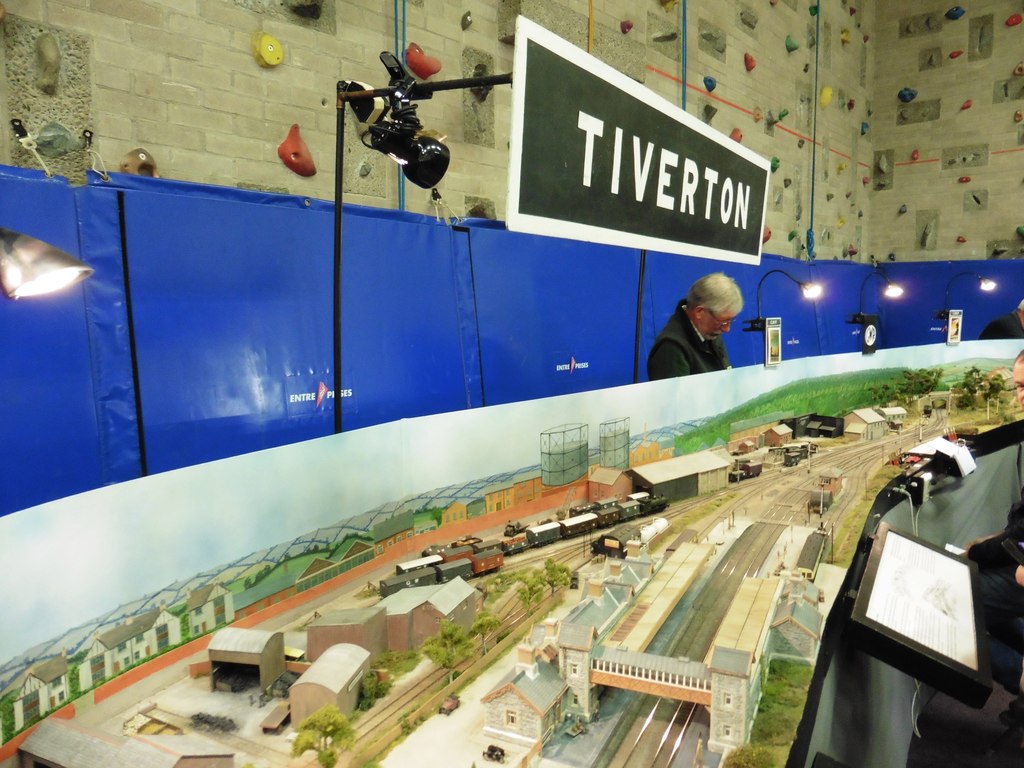
Friday: Arrive Early Enough to Settle In
Aim to arrive at the resort by mid-afternoon Friday rather than late evening. That leaves time to unpack properly, check the room's desk and safe situation before anything fragile needs a home, and get an early dinner instead of scrambling after a late drive. A relaxed Friday evening also means Saturday morning doesn't start already tired from travel.
A mid-afternoon arrival also gives enough daylight to walk the property itself before dinner, which is worth doing specifically to confirm the room matches what was described at booking, the desk, the safe, the proximity to an elevator, while there's still time to ask the front desk about a change if something doesn't match. Discovering a mismatch at 10pm leaves far fewer good options than discovering it at 4pm.
It's also a good time to confirm Saturday's drive to the show on a map, including parking details, rather than leaving that research for a rushed Saturday morning when the goal should simply be getting out the door on time without last-minute surprises about the route.
Saturday Morning: Get to the Show When Doors Open
Most toy and train shows are busiest and best-stocked in the first couple of hours, before the popular tables sell through their more interesting pieces. Plan to arrive at or near opening time rather than treating it as a leisurely midday outing. If the show is more than 30 minutes from the resort, factor that drive into a realistic wake-up time the night before.
Parking at a popular show can also fill up faster than expected on a Saturday morning, especially if the venue shares a lot with other weekend events, so building in an extra 15 minutes for parking and walking in is worth more than shaving those minutes off a wake-up time that already feels early enough.
Arriving a touch earlier than strictly necessary beats arriving exactly on time and losing the first half hour to a parking search, especially since that first half hour is often when the best tables are still fully stocked and the crowds haven't yet thickened around them, making it easier to actually see what's on offer before deciding.
Saturday Afternoon: Resort Time, Not More Driving
Resist the urge to pack a second activity into the same afternoon after a morning at the show. Returning to the resort to relax, inspect and sort the day's purchases at a proper desk, and enjoy the pool or beach for a few hours gives the trip its resort character back rather than turning the whole weekend into an errand.
This afternoon window is also the natural time to do a first-pass inspection of anything bought that morning, while the memory of each table and seller is still fresh enough to flag a concern while it's still easy to follow up with a phone call to the show organizer or a return visit the next day, should one actually be needed.
A simple rule worth keeping: nothing new gets bought on Saturday afternoon. The morning was for the show; the afternoon is for the resort, and that clean separation tends to make both halves of the day more enjoyable rather than blurring into one long, tiring errand that never quite feels finished or restful.
Saturday Evening: A Real Dinner, A Real Pause
An actual sit-down dinner, rather than something grabbed on the way back from the show, marks the day as a vacation day rather than a shopping trip with a hotel attached. This is also a natural point to go through the day's finds once more against a packing list, the same habit covered in packing fragile collectibles for a beach vacation, before anything gets buried in a suitcase for the drive home.
A calm evening also leaves room for a second look at anything that seemed like a good idea in the rush of the show floor but deserves a more sober second opinion once the adrenaline of the hunt has worn off. It's a reasonable moment to decide whether something is actually a keeper or better returned the next morning if the seller is still around.
A short walk after dinner, even just along the resort grounds, is also a good way to let the day settle before deciding anything final about a purchase that still feels uncertain rather than one already clearly worth keeping.
Sunday Morning: One More Beach Hour Before Checkout
Most resorts allow some flexibility around checkout time, and a short beach or boardwalk walk Sunday morning, even an hour, keeps the weekend from feeling like it was entirely about the show. It's also a good last check of weather and light, useful if any reference photos are worth taking for a project waiting back at the workbench, similar to the approach in model trains and real journeys.
Asking at check-in Friday whether a late checkout is available Sunday, rather than assuming one will be granted on the spot, usually gets a clearer answer and sometimes secures it in advance at no extra cost, simply because the request arrives before the front desk's Sunday schedule has already filled.
Even without a late checkout, packing the car first and leaving the actual walk for last means that final hour by the water doesn't feel rushed against a strict departure deadline waiting back at the room, and the whole morning ends up feeling like part of the vacation rather than just the drive home in disguise.
Build Slack Into the Return Drive
Don't schedule the drive home tight against the show's own closing time if it falls on the same day as checkout. A show that runs slightly over, or one last pass through the category tables before the floor closes, is worth the extra half hour of buffer rather than rushing the final purchases and the drive home at the same time.
A tight schedule on the drive home also tends to be exactly when a fragile piece gets packed carelessly, tossed into whatever corner of the trunk is left rather than given the same care it got on the way out. Building in that half hour of slack protects both the schedule and the pieces themselves from the same source of stress.
A quick stop ten or fifteen minutes into the drive home, just to confirm nothing shifted in the trunk during the first stretch of road, is a small habit that catches most packing problems before they become a real one hours later, far from any shop that could help fix it. It costs almost nothing in time and routinely saves far more than that once something actually turns out to have slipped.