Keeping Your Collection Safe While You're Away: A Travel Prep Checklist for Hobbyists
A collection is easiest to protect before the trip starts. Once you leave, the risks come from ordinary things: a window left open, a display visible from the street, dust settling on a shelf or humidity building up in a closed room. A short preparation routine covers most of them.
This guide is general advice for hobbyists who leave a collection at home while traveling. It covers how to record what you own, how to secure the display area, how to control climate and dust, and what to arrange with people you trust. It is not insurance, legal or financial advice, and it does not replace a conversation with your insurer or a qualified adviser.
Inventory Before You Leave
Start with a complete record. Photograph each shelf and case, then note the item name, catalog number, year if known and condition. Keep the list in two places, such as a cloud folder and a printed copy stored away from the collection. The company's archived about page is one reference point for the brand background, if you want to note it. A clear inventory helps with insurance claims, replacement orders and simple peace of mind. A short note about the source of each piece, such as where or when it was bought, is worth adding at the same time.
The archived product index can help you confirm catalog names and numbers for older Model Power items, which is useful when a piece is missing its box or its paperwork. Use it as a reference for the record, and write down the source you used beside each entry.
Note any items with unusual finishes or missing parts, because these are harder to describe after an incident. A short written comment next to each one is useful. Update the record whenever you add, sell or move a piece, so it stays accurate.
Securing the Display Area
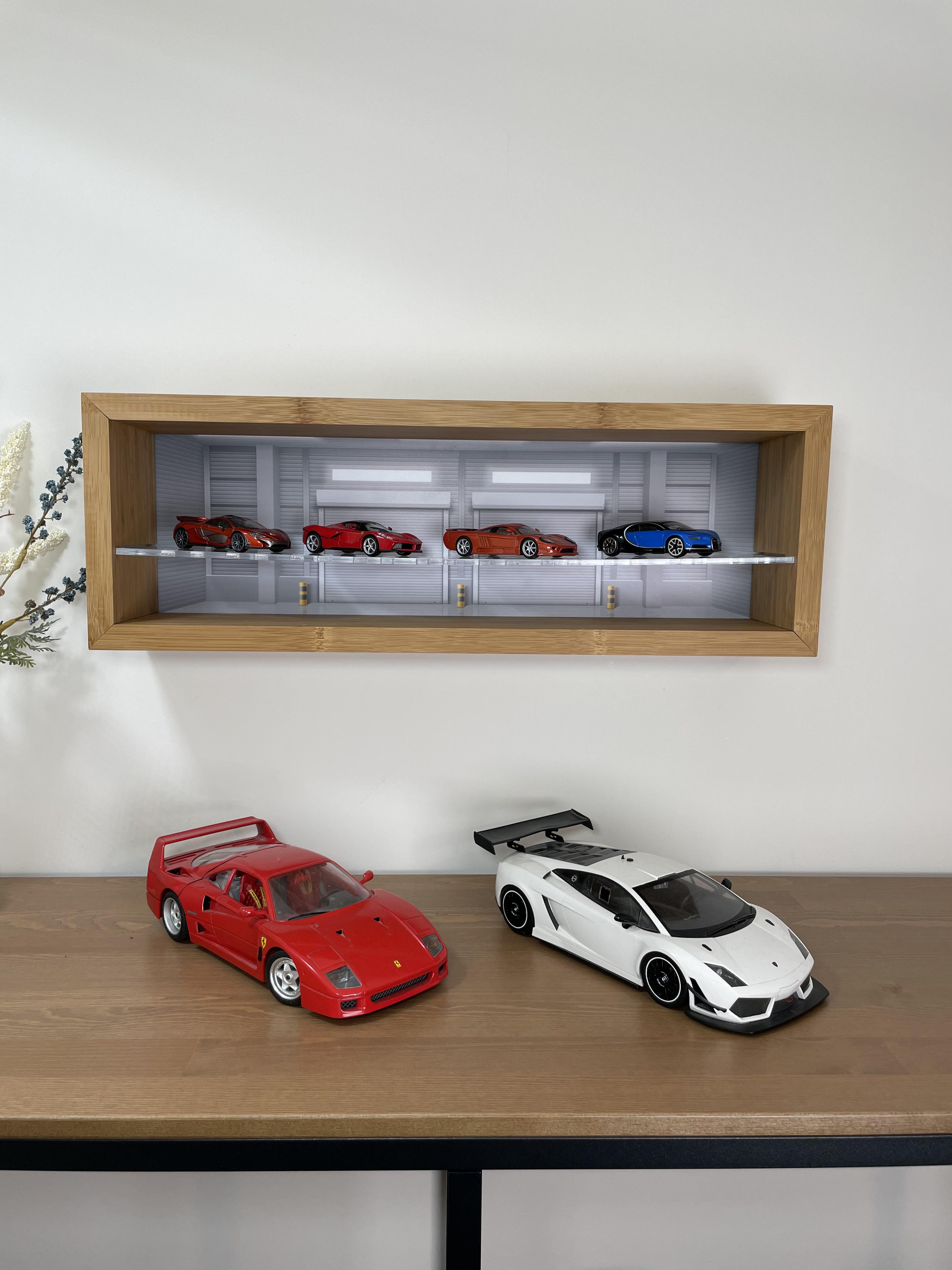
Think about visibility from outside. Displays placed in a front window or near a glass door invite interest from passersby, so move valuable pieces to an interior room or a cabinet that is not visible through the glass. Close blinds or curtains so that the contents are not easy to see from the street.
Check the locks on the cabinets and the room. Replace loose catches, and keep spare keys with someone you trust rather than in an obvious place. Some collectors also keep a printed copy of a reference page, such as the archived homepage, with the inventory. Keep a record of who holds keys, and change the locks if a key goes missing. Check that outdoor lights and gates work before you leave. A timer on an indoor light makes a house look occupied, which is a simple and low-cost measure.
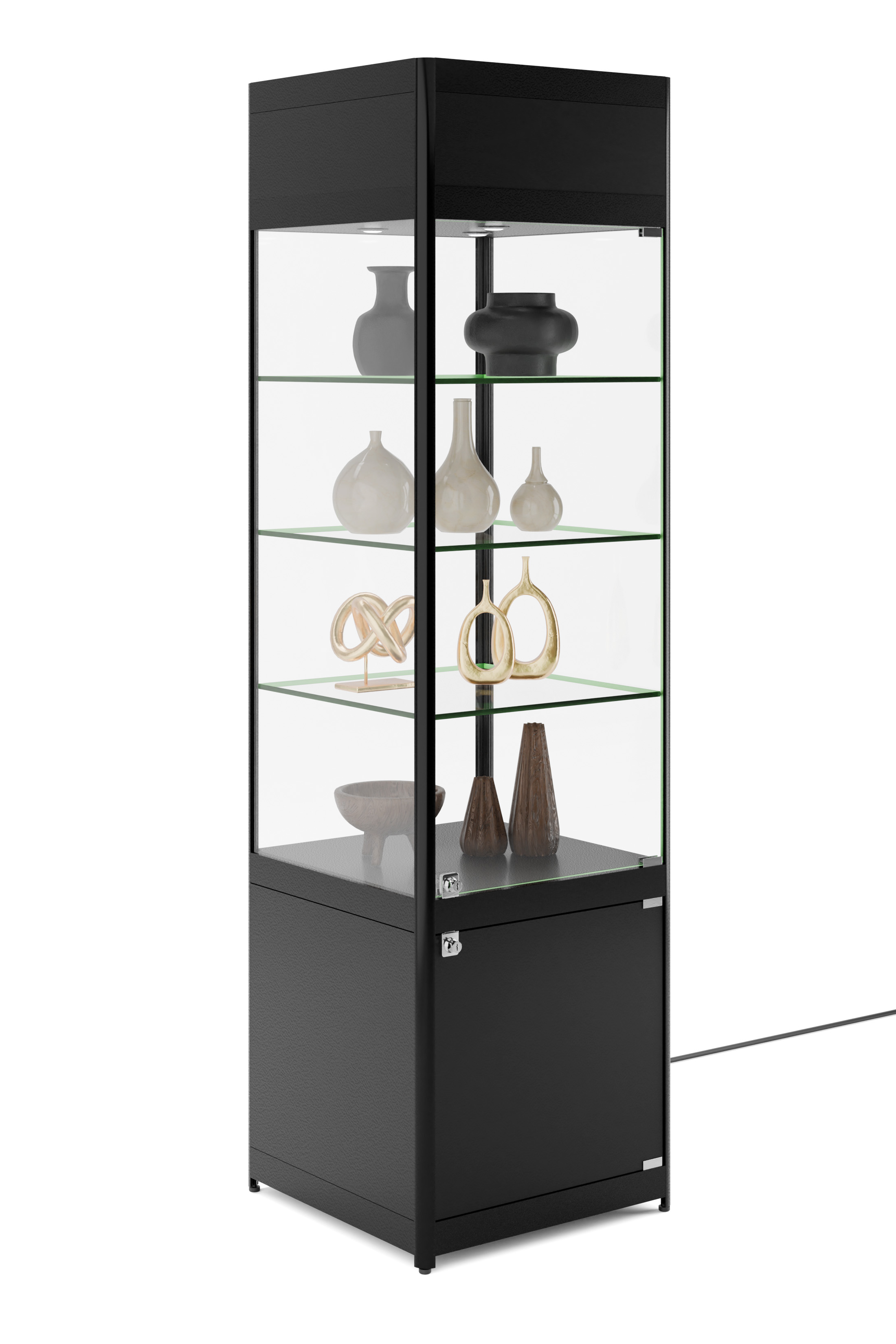
Walk through the home as a stranger would. Look at the sightlines from the entrance, the windows at ground level and the places where a bag might be lifted. A short walk like that often reveals one or two easy improvements.
Controlling Humidity, Light and Dust
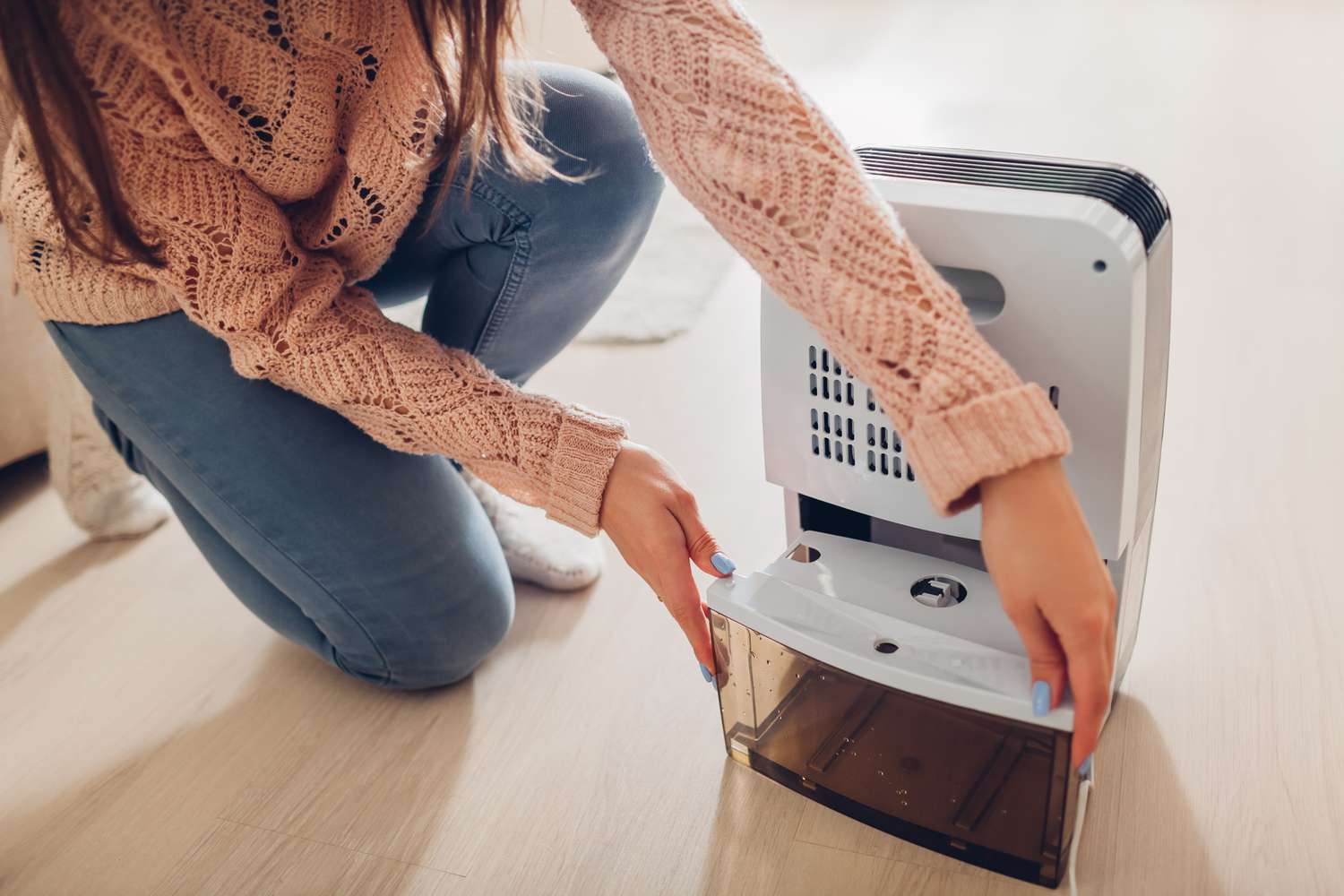
Closed rooms can become humid, and humidity is the enemy of metal parts and glued details. Use a dehumidifier if the room runs damp, and place silica gel packs inside closed display cases. Avoid storing collectibles in a basement or attic where temperatures swing widely.
Direct sunlight is also a risk. Close blinds on the sunny side of the room and keep displays out of direct beams, because fading affects paint and decals over time. A simple hygrometer shows whether the room stays within a sensible range, so you do not have to guess.
Dust settles quickly in a closed room. Cover open shelves with a clean cloth or lid, and vacuum the area before you leave, not after. A dusty shelf becomes a dusty shelf for the whole time you are away. Shelves near an external wall can run colder and damper in winter, so keep the most sensitive items away from that wall. Avoid placing cases directly on a floor that gets wet during cleaning. Add a few more silica packs in the warmest part of the room if the home has a humidity problem.
Arranging Help at Home
Choose a trusted person to check on the home, collect post and respond to alarms. Give them the inventory and the location of the key items, and explain what they should look for, such as a damp smell or a window left open. Do not post your travel dates publicly, since announcements on social networks tell strangers that a house is empty.
If a neighbor or friend is helping, show them the room where the collection is kept, the controls for the lights and heating and any emergency contacts. A short written note in a sealed envelope is useful if you cannot be reached while you travel.
Agree on a simple check-in routine before you leave. A daily message or a visit every few days is enough to confirm that the home is safe, and it gives the helper a clear sense of what counts as normal. Ask the helper to tell you straight away about anything unusual, even if it seems minor, and agree in advance who they should call if an alarm sounds. Leave a written list of local contacts, such as a locksmith or a nearby friend, in the same envelope as the note.
A Pre-Departure Checklist
Work through this list on the last evening before you leave. Each line takes a few minutes, and together they cover most of the risks a collection faces while you are away.
- Inventory saved in two places, with photographs of each shelf and case
- Valuable items moved out of view of windows and the front door
- Locks tested on cabinets and the room door, with spare keys held by a trusted person
- Silica packs placed in closed cases, and blinds closed on sunny walls
- Trusted helper holding the inventory, the key locations and emergency contacts
- Insurer contacted to confirm home coverage, any schedule requirements and whether trip coverage applies
- Travel dates kept off public posts and messages
Keep this checklist with the inventory, so the same routine can be repeated on each trip. A reusable list is faster than starting from memory every time. Walk through the list out loud, since a missed item is easier to catch while you still have time. Tick off each line on a printed copy rather than from memory, and file the marked-up copy with the inventory for next time.
Frequently Asked Questions
How often should I update the inventory?
Update it whenever you add, sell or move a significant piece, and review the whole list at least once a year. A current record makes both insurance and replacement much easier. Keep dated copies so you can see what changed.
Is a home security system worth it for a collection?
That depends on the value of the collection, the layout of the home and local conditions. A simple system with door and window sensors is often enough for a display room. Compare options and ask a qualified provider for advice.
Should I tell my neighbors that I am away?
Tell only the neighbors you trust, and keep the details short. Avoid announcing travel dates on social media, since that information can reach people you do not know.
Do I need a dehumidifier for a display room?
Not always. Many homes stay within a reasonable range, but a damp room or a basement may need one. Use a simple hygrometer to check the level before deciding.