Resort Room Features That Matter to a Traveling Collector
Most resort rooms are built for people who plan to be at the pool, not at a desk. That's fine for a lot of travelers, but if a few Structo replicas or a boxed N scale set are coming along, the room itself becomes part of the trip's logistics, not just a place to sleep.
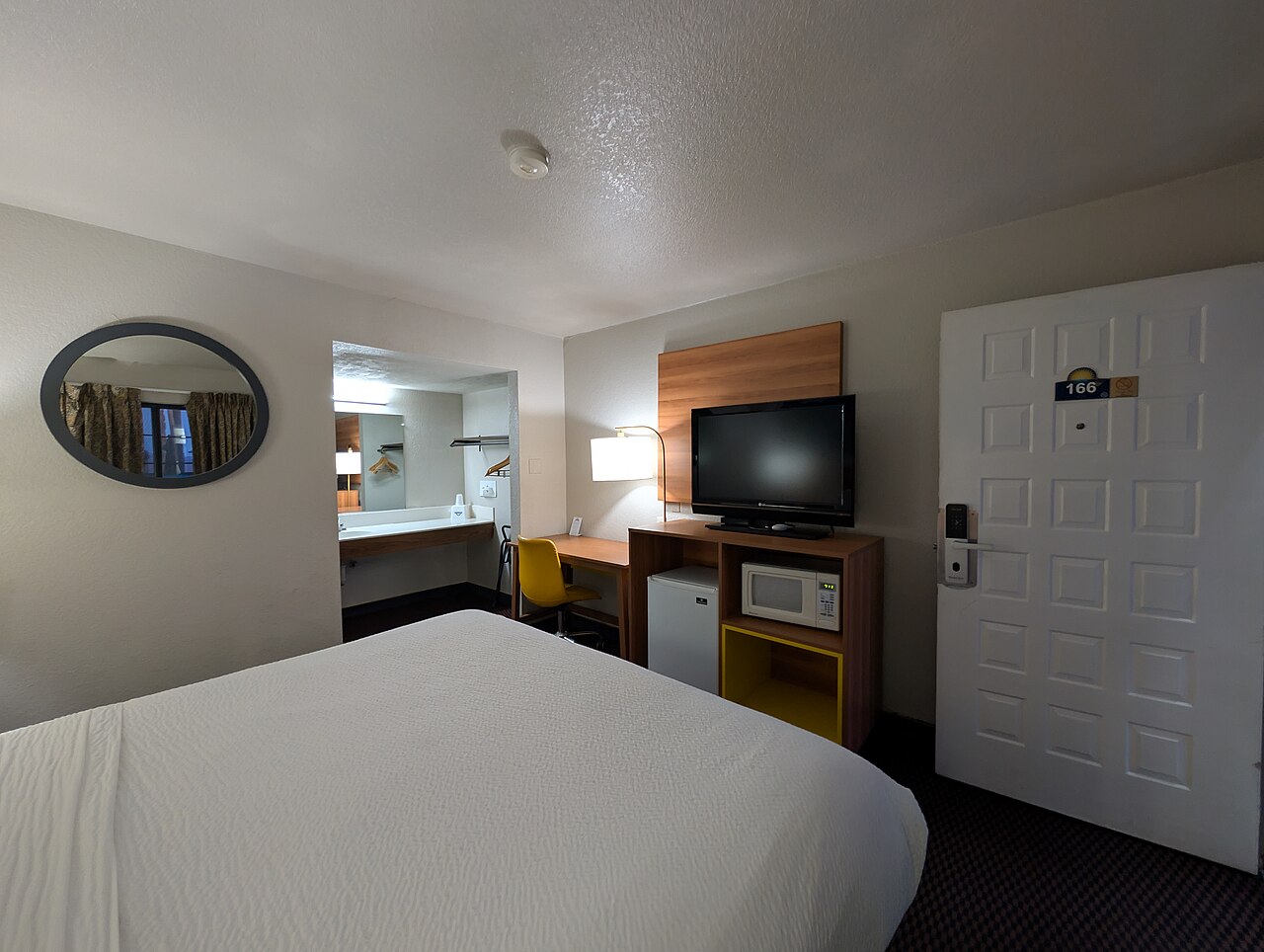
Start With a Flat, Stable Surface
A balcony table that rocks on uneven tile, or a vanity crowded with a coffee maker and ice bucket, isn't enough room to safely unpack a diecast car or inspect a model for shipping damage. Ask, when you book, whether the room has a proper desk or writing table separate from the dresser. Many resorts will tell you directly if you call rather than book blind online, and a room with even a small dedicated desk is worth requesting by name if the property lists more than one room type.
A cramped nightstand works for a phone charger; it doesn't work for laying out ten pieces to check against a packing list before heading home. If the resort's own photos show the room layout, look past the bed and balcony view to whatever furniture sits against the far wall, since that's usually the only honest clue about real working space before you arrive. A desk big enough for a laptop is usually big enough for a small sorting tray too, which is the actual test worth applying before you ever book.
Natural Light Changes What You Can Actually See
Hotel lighting is tuned for mood, not for spotting a hairline crack in a diecast fender or a scratch on a painted boxcar roof. A room with a window that gets real daylight, not just a view blocked by the next building, lets you actually inspect a purchase before deciding it's packable. If a resort's floor plan shows interior-facing rooms alongside ocean- or garden-facing ones, the extra cost of the better-lit room often pays for itself the first time you catch a flaw before it travels home broken.
Late afternoon light through a west-facing window can also wash out fine detail the same way overhead fluorescent lighting does, so it's worth checking a piece near the window at more than one time of day rather than trusting a single glance right after checking in. A small portable light brought from home, the kind sold for close-up painting work, closes the gap on rooms where the daylight angle just doesn't cooperate.
A heavy blackout curtain, great for sleeping in past sunrise, is less useful for working by daylight, so a sheer liner underneath is worth checking for before settling on the room.
Ask About In-Room Safes Before You Need One
Not every resort safe is sized for anything bigger than a passport and a watch. If a trip includes a Postage Stamp Planes piece or a small run of diecast cars bought at a show, check the safe's interior dimensions against the box sizes before you arrive, not after. Some properties will swap a room into one with a larger in-room safe, or offer a lockbox at the front desk, if you simply ask when booking rather than at check-in when options are thinner.
It's worth asking specifically for the safe's interior measurements rather than accepting "yes, there's a safe" as a complete answer, since a safe listed as standard can still vary noticeably between room categories at the same property. A quick measurement of the box or case you're bringing, done at home before packing, turns that phone call into a concrete yes-or-no instead of a guess made at the front desk with a suitcase already open.
If no room has a safe large enough, ask whether the front desk offers a larger secure storage option, since many resorts keep a lockable cabinet behind the desk for exactly this request, even when it isn't mentioned in the room descriptions.
Ground-Floor and Elevator Access Matter More Than You'd Think
Carrying a padded case up three flights of exterior stairs in beach-resort heat is a real way to jostle a fragile piece loose from its packing. A ground-floor room, or one near a working elevator rather than at the far end of a long open walkway, cuts down on the handling a case gets between the car and the bed. It's a small thing to request and an easy one for most front desks to accommodate if you mention it at booking.
Resorts built around multiple low-rise buildings sometimes put the elevator in only one block, which means a room in a different building can mean a longer uncovered walk regardless of floor. Asking which specific building has elevator access, not just whether the property has one at all, avoids ending up assigned to the block without it. A short, direct path from parking to room beats a scenic one when a case full of models is part of the walk.
It's also worth asking about luggage cart availability during the specific hours you expect to arrive, since a resort generous with carts at a quiet check-in can run short during a busy evening rush.
Keep the Display Instinct in Check
It's tempting to set out a few pieces on the dresser for the week, the way you might at home. A resort room gets housekeeping visits, open balcony doors, and a steady flow of other people's luggage carts in the hallway. Keep anything you're not actively working with packed and in the closet or safe rather than out on display, and treat the room more like temporary storage than a mini showcase.
An open balcony door on a windy day can send loose paperwork or small parts sliding further than expected, and a housekeeping visit timed while you're out at the pool means nobody's there to notice if something gets nudged off a dresser edge during cleaning. A closed case on a closet shelf, rather than an open display on visible furniture, removes that risk entirely without costing you any real convenience during the stay.
If you do want to look at a piece for a while before putting it away again, a bed or a desk surface away from the balcony door is a safer choice than a dresser top directly in the path of housekeeping's usual cleaning route, which tends to run along whatever surfaces are closest to the entrance.
A Short List Beats a Long Memory
Write down, before you ever reach the front desk, the three or four things this particular trip actually needs from the room: a desk, daylight, a safe of a known size, easy access. Resorts vary enough in room design (see the category pages for how differently even similar hobby items get displayed and stored) that a specific ask gets a specific answer, where a vague "anything with space" usually gets whatever room is left.
The checklist habit that already protects a collection at home, covered in keeping a collection safe while away, is worth applying to the room itself before you ever unpack. A written list also travels well from trip to trip: once you know a desk and a mid-sized safe cover most of what you bring, booking the next resort stay becomes a matter of asking the same two or three questions rather than starting from scratch each time.
It's worth keeping that same short list saved somewhere easy to find, a notes app, a card tucked into the travel case, rather than rewriting it from memory before every trip, the same way you might also reference the full catalog when deciding what's actually worth bringing along in the first place rather than guessing at it fresh each time.