Choosing a Beach Resort Near a Train Museum or Heritage Railway
Picking a resort by the beach photo alone leaves half the trip's potential on the table if there's a heritage railway or a small rail museum within reach. A little research before booking turns an ordinary stay into one with a real destination day built in.
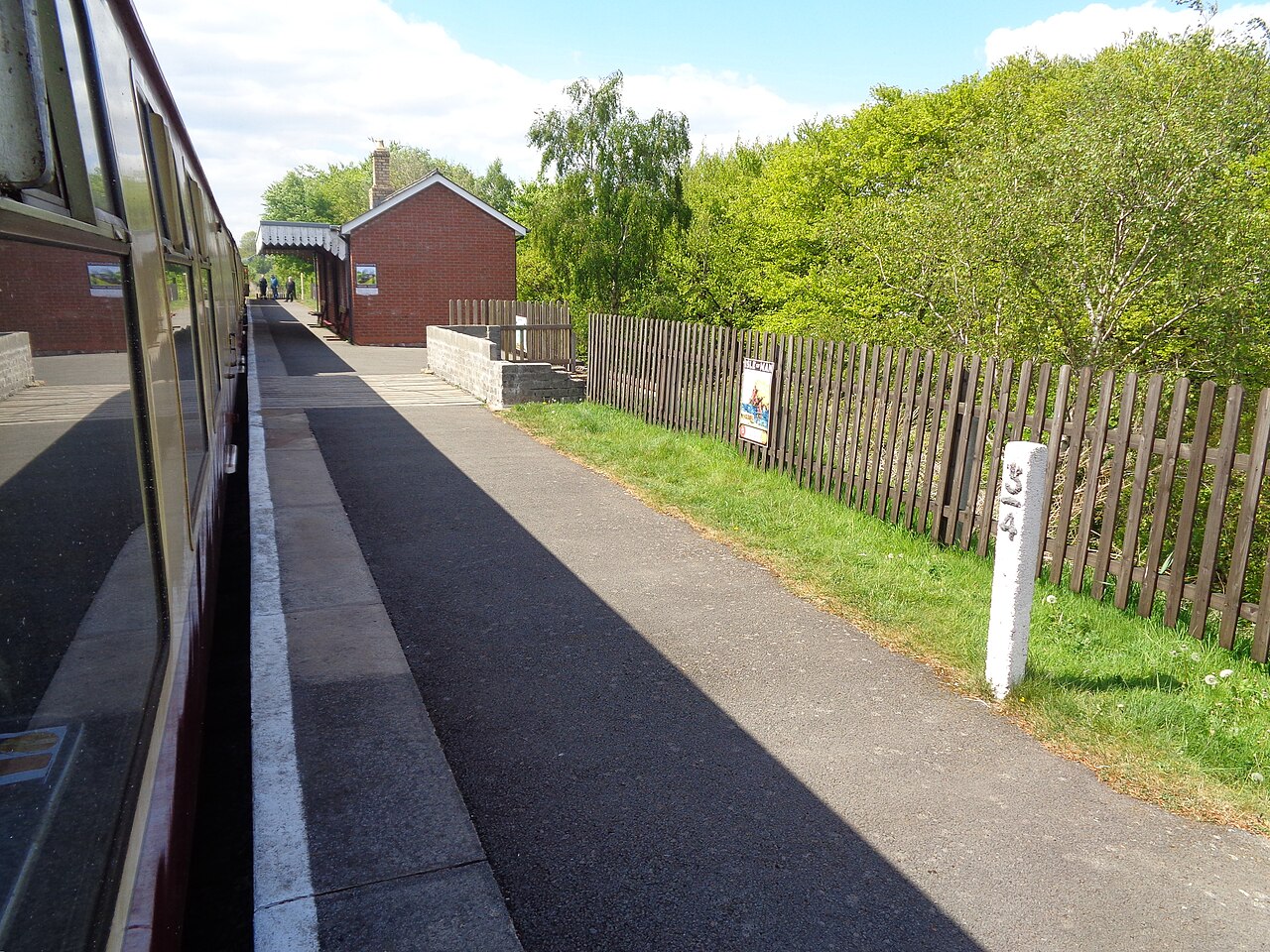
Start the Search From the Railway, Not the Resort
Instead of browsing resorts and hoping something rail-related turns up nearby, search for heritage railways and rail museums within a reasonable radius of the coastline you're already considering. Many coastal regions have at least one preserved line or a small volunteer-run museum, often tied to the same industrial history that shaped the town. Once you've found one worth visiting, work backward to resorts within a 30 to 45 minute drive rather than the first beachfront property that comes up in a general search.
A regional tourism board's own website is often a better starting point than a general search engine, since smaller heritage lines rarely invest much in search visibility but do tend to get listed on local attraction pages. Cross-checking two or three of these local listings against each other usually turns up at least one line or museum that a single search would have missed entirely, and it's worth the extra ten minutes before narrowing down resort options.
It's also worth checking whether the line has its own newsletter or social account, since volunteer-run railways often post more current, detailed information there than on their main website, which can go months between updates during the off-season while the newsletter keeps running on a tighter schedule.
Check the Railway's Actual Operating Calendar
Heritage lines are frequently seasonal or weekend-only, run by volunteers rather than a full-time staff. Before locking in resort dates, confirm the specific days the line or museum is actually open during your stay, not just that it exists. A museum that's closed Tuesdays and Wednesdays, paired with a resort booking that only allows a Tuesday visit, turns a planned highlight into a missed one.
It's also worth checking whether the line runs a reduced or special timetable around the exact dates of your trip, since many heritage railways schedule themed or limited runs tied to a particular weekend rather than operating identically all season. A quick email to the line's own volunteer office, rather than relying on a listing that hasn't been updated recently, is usually answered within a day or two and settles the question with certainty.
Weather can also close a seasonal line unexpectedly, especially one that runs open carriages or crosses exposed track near the coast, so it's worth asking whether the operator has a published rain or storm policy and how they typically notify ticket holders of a late cancellation.
Weigh Drive Time Against Resort Amenities
A resort 20 minutes from a heritage line but with fewer amenities can beat one an hour away with a nicer pool, if the railway visit is the actual point of the trip. Conversely, if the museum is a half-day add-on rather than the centerpiece, it's reasonable to prioritize the resort itself and treat the rail visit as a single afternoon out. Decide which one the trip is really built around before comparing options side by side.
Traffic patterns matter here too, not just raw distance: a coastal road that crawls during peak summer weekends can turn a listed 30-minute drive into well over an hour, especially on a Saturday when both beachgoers and show visitors are on the same stretch of highway. Checking typical drive times for the actual day of the week you'll be traveling, rather than an off-peak estimate, avoids an unpleasant surprise on the one day the museum visit is scheduled.
A map tool's live traffic layer, checked a day or two ahead rather than weeks in advance, gives a far more honest read on a specific Saturday morning than any generic "20 minutes" distance figure ever will.
Look for Resorts That Already Know the Attraction
Some resorts near a well-known heritage railway list it directly in their own area guides or offer a shuttle schedule timed around museum hours. That's a useful signal: it means the property is used to guests making the same trip you're planning, and front desk staff are more likely to have current, accurate information than a general tourism site.
A resort that genuinely knows the attraction will often also know its quirks, which platform the gift shop sits closest to, whether the museum café is worth the stop, how early the parking lot tends to fill on a weekend. That kind of specific, second-hand local knowledge is worth asking for directly at check-in, since it rarely makes it into any official listing but can shape the day far more usefully than a map and a departure time.
It's worth asking this question of more than one staff member too, since a longtime employee and a newer hire can give noticeably different answers, and the longtime employee's version is usually the one worth trusting on timing details that matter.
Bring the Right Gear for the Visit Itself
A heritage line or museum day is also a research day if you're into modeling the real equipment. Bring a notebook or phone for reference photos of couplers, paint schemes and signage rather than relying on memory once you're home at the workbench. The same observational habit that goes into studying a real coastline before building a layout applies just as well to a rail yard or a restored station platform.
Volunteer-run lines are often more accommodating of close, patient photography than a larger commercial attraction would be, since the staff are frequently enthusiasts themselves who understand exactly what a modeler is looking for. A polite question about getting closer to a particular coupler or data plate is frequently answered with genuine enthusiasm rather than the brush-off a similar request might get at a bigger, more corporate attraction.
A small tape measure, easy to forget but light enough to carry all day, is also worth packing for exactly this kind of visit, since a dimension noted on the spot is more reliable later at the workbench than one estimated afterward from a photo alone.
Fold the Museum Gift Shop Into the Return Packing Plan
Museum shops often carry small die-cast or printed-card models tied to that specific line, items you won't find in a general hobby shop at home. If you expect to buy something there, leave a little extra room in your luggage or case on the way out, the same way you would for a planned stop at the full product catalog back home.
A resort stay built around a real railway destination tends to produce exactly the kind of small, specific souvenir that's worth protecting on the trip back, and it's worth packing one spare padded sleeve or small box specifically for this unplanned purchase rather than discovering at the gift shop counter that nothing in your luggage fits it safely. That single extra item, tucked in from the start, is far easier than improvising packing material on the spot.
Keeping that same unplanned purchase separate from the rest of the collection once home, at least until it's properly inspected and catalogued the way described in collecting on vacation, avoids it getting lost among items bought more deliberately elsewhere on the same trip.