What a Resort's Boardwalk and Pier Can Teach a Model Builder
Reference photos are useful, but a few days actually walking a resort's own boardwalk and pier teach details a flat photo rarely captures: how the planks wear, how the light changes by the hour, how a pier actually meets the water.
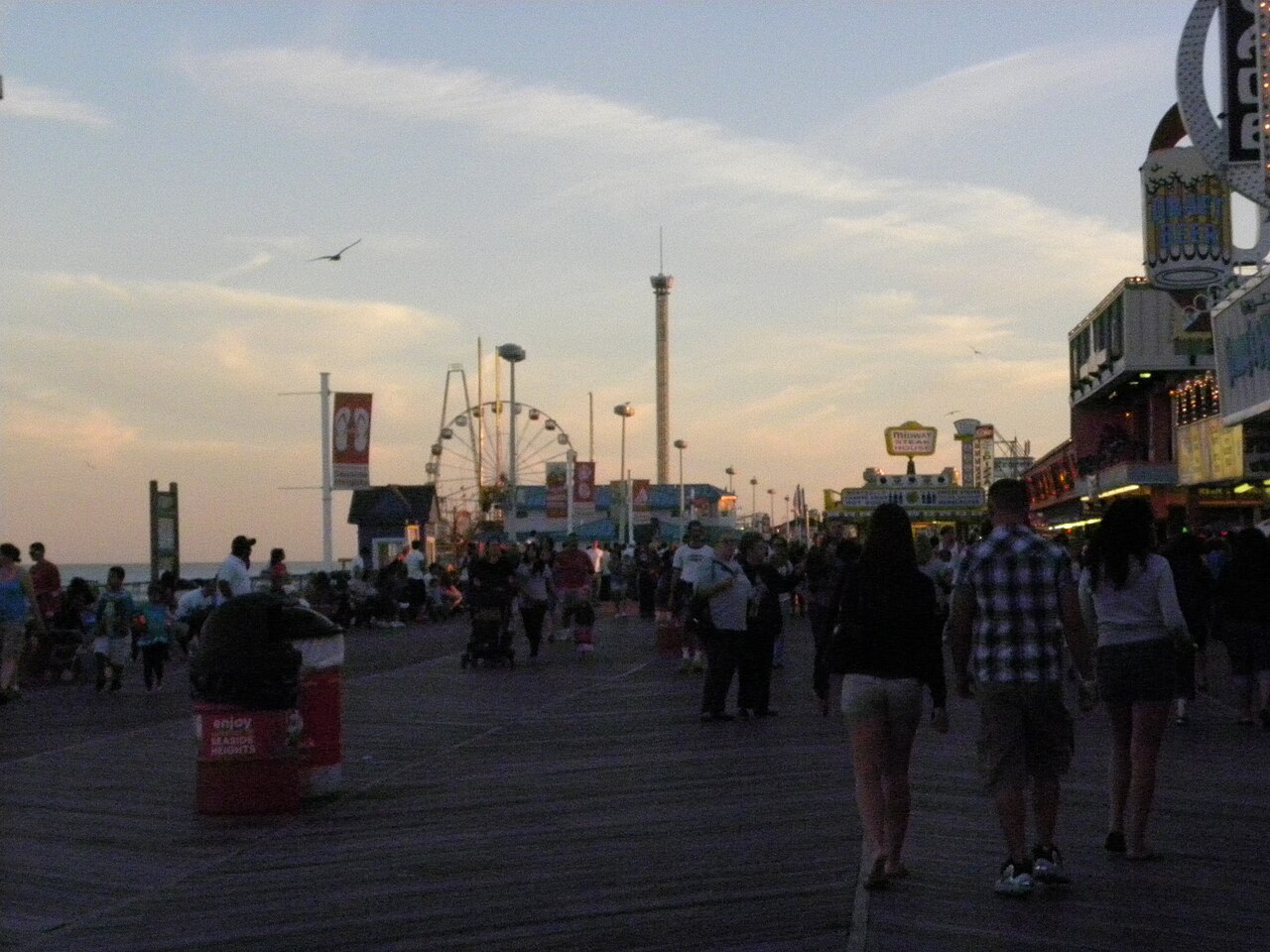
Walk It at More Than One Time of Day
A boardwalk photographed at noon looks flat and evenly lit; the same boardwalk at early morning or just before sunset shows long shadows between the planks and a warmer color on the weathered wood. Spend at least one walk early and one late during the stay, specifically looking rather than just enjoying the view, and the difference in how the same structure reads will be obvious by the second pass.
A midday walk is still worth doing too, if only to see how hard the shadows disappear and how flat the color becomes under direct overhead sun, since that's often the exact lighting a diorama builder defaults to by accident simply because it's the easiest reference photo to find online. Seeing all three lighting conditions in person makes the contrast between them far more concrete than reading about it.
It's worth carrying a phone with the camera already set to a consistent exposure setting across all three walks, rather than letting it auto-adjust each time, so the resulting photos can be compared honestly against each other once you're back home comparing them side by side.
Study the Wear Pattern, Not Just the Shape
A pier's pilings are rarely uniform: salt staining climbs unevenly up the wood, some boards are newer replacements against older gray ones, and rust runs in streaks below any metal fittings near the waterline. These small inconsistencies are exactly what separates a model that reads as "generic pier" from one that reads as a specific, lived-in place, and they're far easier to notice in person than in a single reference photo.
It's worth crouching down at a few points along the walk to look closely at individual boards rather than only taking in the structure from standing height, since the most convincing weathering details, a split along a grain line, a patch of algae in a shaded gap, tend to sit right at the level most casual photos simply skip over.
A short strip of painter's tape and a pencil, easy to carry in a pocket, is enough to mark and note a few specific boards worth photographing twice, once wide and once close, so the detail isn't lost among dozens of similar-looking frames taken later.
Look at What's Actually Under the Boardwalk
The structural supports beneath a boardwalk, the cross-bracing, the gaps where sand has built up or washed away, rarely show up in standard tourist photos taken from the walking surface. A short detour to look from the beach level up at the underside of the structure, where accessible, gives a far more complete picture of how the whole thing is actually built.
This underside view is also where the real variation in a boardwalk's age tends to show most clearly: newer support posts installed to replace storm damage stand out visually against older, grayer original ones, a detail almost never visible from the walking surface above but immediately obvious from below.
It's worth checking tide times before planning this particular detour, since the same stretch of beach that offers an easy walk underneath at low tide can be entirely underwater a few hours later, closing off the view for the rest of the day and leaving only the standing-height view from above. A tide table posted at the resort's own front desk is usually accurate enough for this kind of casual planning.
Note How Buildings Meet the Boardwalk Edge
Shopfronts, rental stands and small food stalls along a resort boardwalk each handle the transition from building to walkway a little differently: a step up, a ramp, an awning that extends out over the edge. These transition details, covered more generally in why seaside towns make perfect miniature scenic layouts, are easy to flatten into a single generic edge in a model.
A short walk with a notebook is enough to catch two or three variations worth including instead, and it's worth specifically noting which businesses use a permanent structure versus a seasonal stand that could plausibly be removed off-season, since that distinction between permanent and temporary structures is itself a small, honest detail.
It also helps to note where a boardwalk business has clearly been repaired or modified over time, a mismatched paint patch, a newer section of railing, since these small inconsistencies read as far more convincing on a model than a uniformly pristine storefront ever does, and they're the kind of thing a casual walk alone rarely catches without a notebook already in hand.
Bring Back Specific Signage, Not General Impressions
Faded paint on a rental sign, a hand-lettered specials board outside a snack stand, a weathered life-ring holder: these small, specific details do more for a layout's believability than another generic lighthouse or another identical row of beach umbrellas. A phone full of close-up reference shots of signage and small fixtures, taken during ordinary resort downtime, becomes genuinely useful material once you're back at the workbench.
It helps to photograph the same sign or fixture from two or three angles rather than a single straight-on shot, since a model builder working from the photo later often needs to see how a sign actually mounts to its post or how deeply a life-ring holder is recessed into the railing, details a single flat photo frequently leaves out.
A short caption typed into the phone right after each photo, noting the exact location and what made it worth shooting, saves real confusion later when dozens of similar close-ups are sitting in the same camera roll with no context attached.
Turn the Walk Into a Working Session
Treat at least one boardwalk walk during the stay as a working trip rather than pure leisure: bring a notebook, take more photos than feel necessary, and jot down measurements by eye (how many boards wide, how tall a piling stands against a person walking past). Paired with what's available through the full scenery and structure catalog back home, a single well-observed resort stay can supply reference material for more than one future project.
It's worth setting aside a specific hour for this rather than hoping it happens organically during a casual family walk, since a working session done with intention tends to produce far more usable material than photos taken in passing between other activities, even along the exact same stretch of boardwalk.
A second, shorter working session later in the stay, just twenty minutes to fill in any gaps noticed while reviewing the first batch of photos, tends to round out the reference material far better than trying to get everything right in one single pass on the first day alone. Sorting the resulting photos once home, the same habit covered in collecting on vacation, keeps a week's worth of reference material from turning into an unsorted pile nobody revisits.