Why Booking Ahead Matters More for a Hobby-Focused Resort Stay
Booking a beach resort at the last minute usually still gets a room, just not necessarily the right one. For a hobby-focused stay, the rooms with the specific features that actually matter tend to be the first ones taken.
The Best Room Isn't Always the Most Expensive One
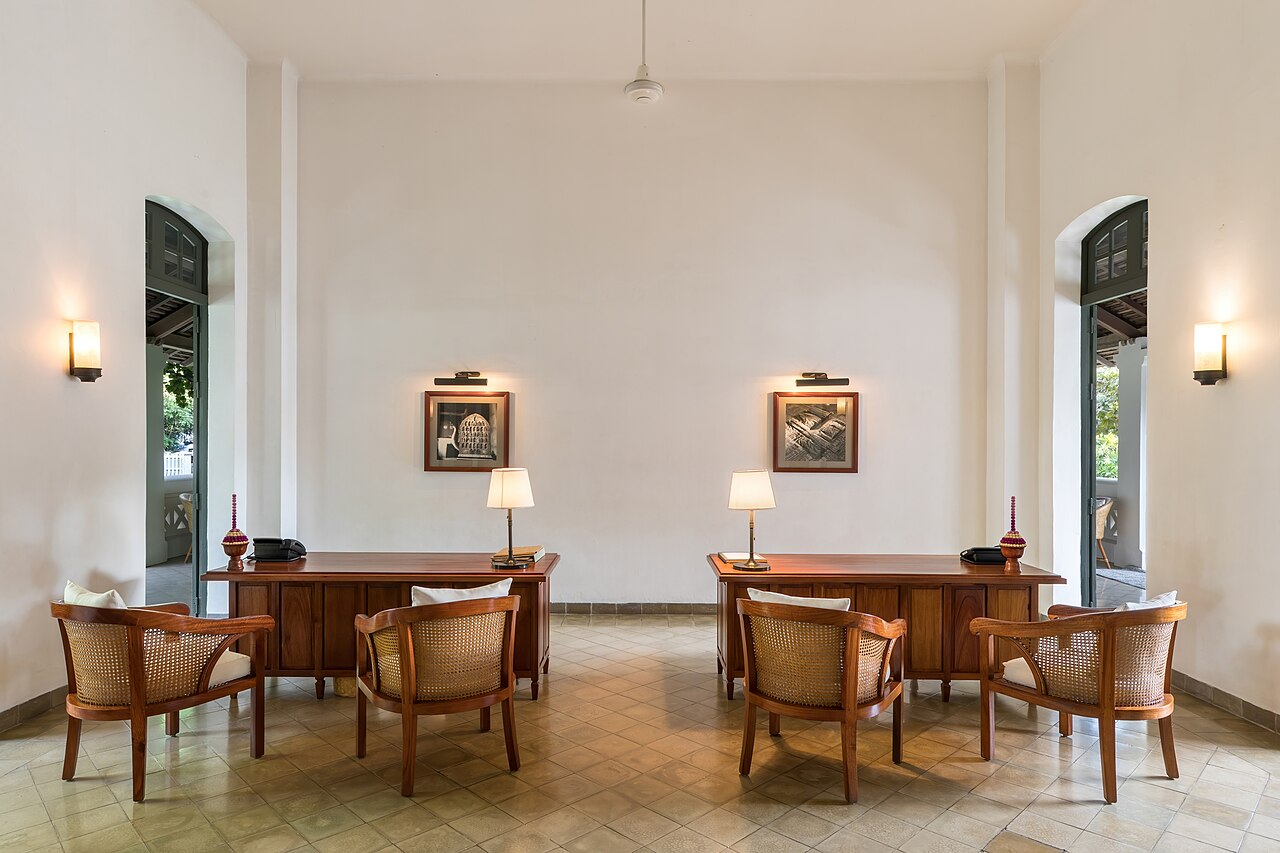
A resort's limited supply of rooms with a proper desk, a larger in-room safe, or ground-floor convenient access doesn't necessarily track with its pricing tiers. A standard room with the right practical layout can be harder to secure than a pricier suite that happens to have less of what a hobbyist actually needs, simply because fewer guests are competing for it.
It's worth asking the resort directly how many rooms of a given layout actually exist in the property, rather than assuming a listed room type is widely available simply because it's shown in the booking system. A property with only a handful of ground-floor rooms, out of dozens total, is a very different booking situation from one where most rooms share that same layout.
Once you know roughly how rare a given room type is, it becomes far easier to judge how far in advance to book, since a room that's one of only four in the whole property needs a very different lead time than one that's one of forty.
Call Instead of Booking Blind Online
A general booking site rarely lets you filter for desk space or safe dimensions. Calling the resort directly and asking about the specific features covered in resort room features that matter to a traveling collector gives a real answer and, often, the chance to request that exact room type before it's gone, something an online booking form usually can't do.
A phone call also tends to surface options that never appear on the booking site at all, a recently renovated room not yet listed, a room held back for direct bookings only, simply because a staff member on the phone has visibility into the property's actual current inventory in a way a third-party booking platform usually doesn't.
It's worth calling back a day or two later if the first call doesn't turn up a clear answer, since a different staff member sometimes has better knowledge of the property's specific room layouts than whoever happened to answer the first time, especially at a larger resort with a bigger front desk team. Asking for a reservations manager directly, rather than whoever first picks up, also tends to get a more complete answer on anything beyond a simple booking question.
Show Dates Get Announced Later Than Resort Availability Shrinks
A frustrating pattern for hobby travel: show organizers sometimes confirm final dates only a few months out, by which point the best resort rooms for a popular weekend may already be booked by travelers with no interest in the show at all. Where possible, book a flexible or easily changeable resort reservation as soon as a show's dates look likely, then firm it up once the schedule is official.
Many resorts will hold a room with only a deposit, refundable up to a set number of days before arrival, which makes this early-but-flexible approach relatively low risk even if the show's dates do shift slightly. The alternative, waiting for perfect certainty before booking anything, routinely means arriving too late.
It's worth putting a reminder on the calendar to check back on the official show dates as they get closer, rather than simply assuming the early estimate will hold without any further checking until it's too late to adjust anything. A quick note of the resort's own cancellation deadline, set alongside that same reminder, keeps both dates in view at the moment they actually matter.
Off-Season Timing Buys More Flexibility
One advantage of the off-season approach in off-season beach resort stays timed around a hobby show is that lower overall demand means specific room requests are easier to accommodate even with less lead time. A peak-season booking for the same room type typically needs to be made much further in advance to have any real chance.
This gap in required lead time is worth factoring into the overall trip timeline: an off-season booking made a month out can still land the exact room requested, while the same request made a month out for a peak-season weekend may already be competing against bookings placed six months earlier.
That difference alone is sometimes reason enough to shift a show-trip date toward the off-season if the show itself has any flexibility in its own scheduling, rather than the other way around, especially when the exact room matters more than the exact weekend. Weighing that trade-off honestly, rather than defaulting to whatever date feels most convenient, tends to produce the better outcome overall.
Confirm Requests in Writing Before Arrival
A room request made by phone is worth confirming again by email a week or two before arrival, since staff and systems change and a verbal note doesn't always make it into the final reservation record. A short confirmation email referencing the specific request, desk, safe size, floor level, takes a few minutes and avoids an awkward conversation at check-in.
It's worth asking the email to be replied to with a direct confirmation rather than treating silence as agreement, since a note added to a reservation file isn't always actually read by whoever checks the guest in on arrival day.
A short reply confirming the specific room number or type, where the resort is willing to provide one, removes any ambiguity entirely and gives something concrete to reference if anything is different on arrival than what was discussed weeks earlier over the phone. Printing or saving that confirmation somewhere easy to pull up at the front desk, rather than only in an inbox with poor signal, makes it genuinely useful in the exact moment it's needed.
Plan the Booking Like the Rest of the Trip
The same deliberate planning that goes into choosing what to pack, covered in packing fragile collectibles for a beach vacation, is worth applying to the booking itself. A quick look at what the trip is ultimately organized around is a useful reminder that the room is part of the hobby planning, not just an afterthought booked after everything else is settled.
Treating the booking call with the same seriousness as the packing list, writing down exactly what to ask for before dialing rather than improvising on the spot, tends to produce a noticeably better outcome than a booking made quickly and adjusted later.
A booking approached this way, deliberately and a little in advance, also tends to set the tone for the rest of the trip's planning, making the remaining details feel like a continuation of good habits rather than a scramble pulled together at the last minute with nothing left to fall back on. Nothing about the hobby part of the trip needs to feel like an afterthought once the booking itself has been handled with this much care.